WASHINGTON, D.C. – The U.S. Drug Enforcement Administration said fentanyl purity is declining amid a government-wide effort to address the threat of synthetic opioids.
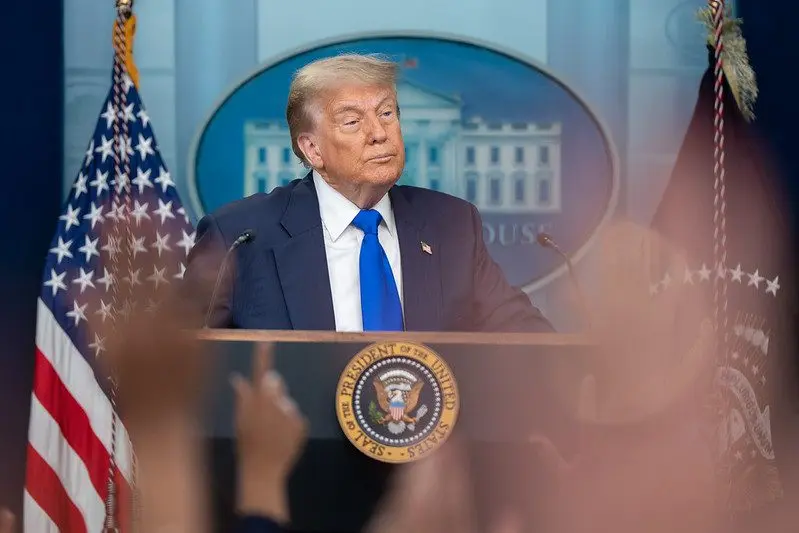
President Donald Trump has made fentanyl the face of his renewed war on drugs in the U.S. He has also taken aggressive steps to reduce drug trafficking around Venezuela with military strikes on suspected drug boats.
On Wednesday, the DEA launched an enforcement initiative and public awareness campaign called “Fentanyl Free America” to reduce supply and demand for fentanyl.
Provisional data shows about 87,000 drug overdose deaths from October 2023 to September 2024, down from around 114,000 the previous year. That is the fewest overdose deaths in any 12-month period since June 2020, according to the Centers for Disease Control and Prevention.
The DEA said its “unprecedented pressure on the global fentanyl supply chain,” is forcing drug traffickers to change their business practices.
DEA laboratory testing indicates 29% of fentanyl pills analyzed during fiscal year 2025 contained a potentially lethal dose, a significant drop from 76% of pills tested in fiscal 2023. Additionally, fentanyl powder purity decreased to 10.3%, down from 19.5% during the same time period.
“Aside from producing less potent fentanyl, the cartels have increasingly diversified their operations in an attempt to minimize their risks and maximize profits, an evolution driven by opportunity and greed,” according to the drug agency.
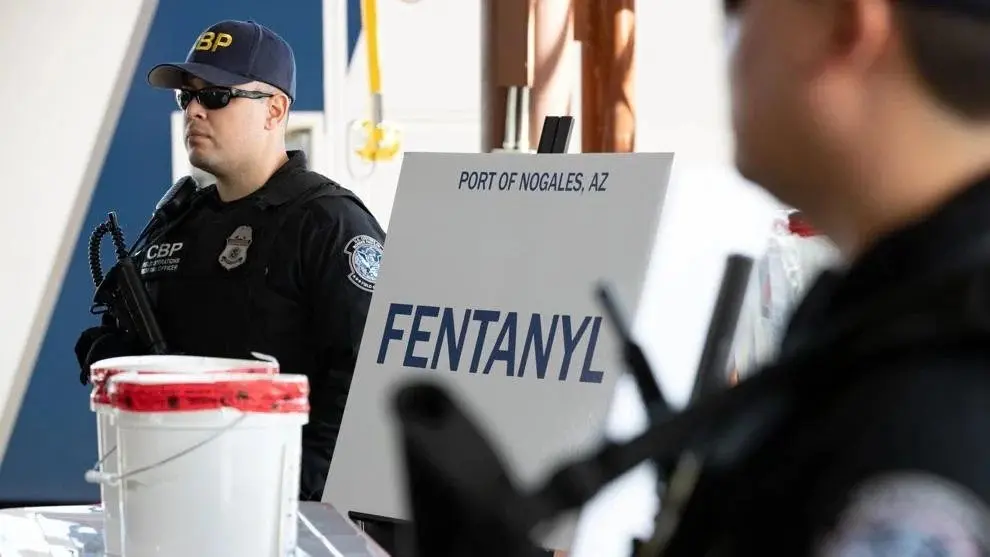
As of Dec. 1, the DEA reported it seized more than 45 million fentanyl pills, and more than 9,000 pounds of fentanyl powder.
The DEA said its intelligence show a shift in cartel operations, with increased trafficking of fentanyl powder and domestic production of fentanyl pills.
“Fentanyl Free America represents DEA’s unwavering commitment to save American lives and end the fentanyl crisis, we are making significant progress in this fight, and we must continue to intensify efforts to disrupt the fentanyl supply and reduce demand,” DEA Administrator Terrance Cole said in a statement. “DEA is striking harder and evolving faster to dismantle the foreign terrorists fueling this crisis, while empowering all our partners to join the fight to prevent fentanyl-related tragedies.”
The DEA seized about 29% less fentanyl in 2024 compared to the prior year, according to the agency’s latest threat assessment. In 2024, DEA seized 21,936 pounds of fentanyl. The agency also seized 61.1 million fake pills in 2024, a 24% decrease from the previous year. Data from the El Paso Intelligence Center’s National Seizure System – which consolidates drug seizure data from federal, state, and local agencies throughout the United States – indicated a similar trend, with 23,256 total kilograms seized in 2024, down from the previous year.
“Fentanyl purity declined throughout 2024, consistent with indicators that many Mexico-based fentanyl cooks are having difficulty obtaining some key precursor chemicals,” the report noted. “DEA reporting indicates that some China-based chemical suppliers are wary of supplying controlled precursors to its international customers, demonstrating an awareness on their part that the government of China is controlling more fentanyl precursors to comply with recent updates to the United Nations counter-narcotics treaty.”
That doesn’t mean fentanyl is any safer.
“The downward trend in fentanyl purity does not mean that street-level fentanyl is less dangerous,” according to the report. “Drug dealers in the United States continue to adulterate fentanyl with various animal tranquilizers (such as xylazine), anesthetics (such as ketamine), and other synthetic opioids (such as nitazenes).”