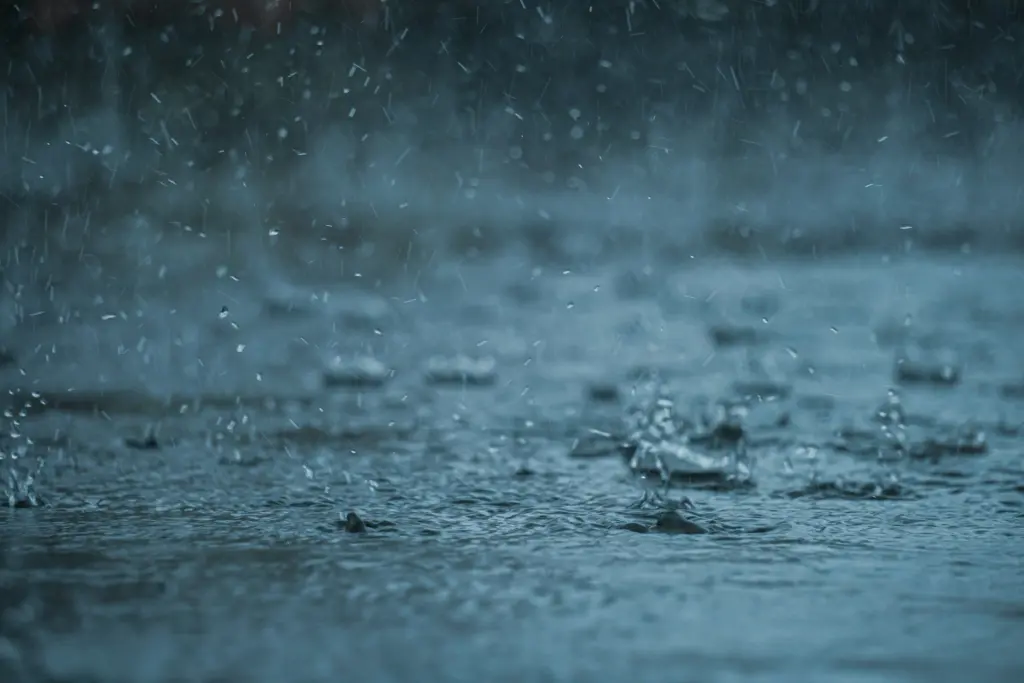
SEATTLE, WA – As if it hasn’t been wet enough, Western Washington is about to get drenched with even more rain that is expected to send dozens of area rivers flooding over their banks.
“The forecast totals through Wednesday morning are stunning, with over [10] inches over the Cascades and coastal mountains. Some locations in SW Washington and NW Oregon will receive 15 inches,” University of Washington Atmospheric Sciences Professor Cliff Mass said in a Sunday blog post. “The latest satellite imagery is stunning…and concerning. A huge plume of water vapor, extending thousands of miles to the southwest, is about to hit our region, resulting in massive rainfall and localized flooding.”
Harrison Rademacher is a meteorologist at the Seattle office of the National Weather Service.
“We’re experiencing strong atmospheric river conditions moving into the region today, and that’s really going to bring significant impacts throughout Western Washington through much of this week,” Rademacher told The Center Square on Monday. “It’s going to pick up in intensity through the rest of today, and then another round of rain comes in Tuesday early afternoon, going into Wednesday.”
According to the Northwest River Forecast Center, major is expected in the following areas:
- Along the Cowlitz River at Packwood and Randle
- Along the Nisqually River near National
- Along the Puyallup River near Orting
- Along the Skagit River at Concrete and Near Mount Vernon
- Along the Skykomish River near Gold Bar
- Along the Snoqualmie River at Snoqualmie and near Carnation
- Along the White River at R Street
Twelve other rivers are expected to see moderate flooding, and 19 more will experience minor flooding, according to the Northwest River Forecast Center.
“Anyone living near any river that’s forecast to flood should continue to stay tuned for more flood warnings likely to be issued later Monday and tomorrow,” Rademacher advised. “Be ready to evacuate and follow all the local authorities’ instructions, and make sure you don’t drive through a flooded road. We say turn around, don’t drown.”
Rademacher suggested that people living in urban areas check storm drains along the street for any obstructions, such as leaves and other debris, and drivers watch for water on the roadway.
“Especially with driving on the interstate and all that water pooling increases the risk of hydroplaning,” he said, “so you don’t want to be going too fast.”
More bad weather could also be on the way.
“We do have an advisory up for wind. It will start getting breezy going into this afternoon, and the Seattle area will have winds around 40 or 45 miles an hour going into the rush hour commute,” Rademacher noted. “It should start decreasing this evening, but you’ll want to make sure you don’t have anything loose outside that could blow away.”