OLYMPIA, WA – A lawsuit has been filed by the Washington Farm Forestry Association and the Washington Forest Protection Association against three state agencies, challenging a recent decision to expand buffer zones around non-fish streams.
The Nov. 25 lawsuit, filed in Thurston County Superior Court, targets the Washington State Forest Practices Board, which, less than two weeks earlier, approved a new buffer rule that expands riparian shade protections for perennial non-fish-bearing streams. The new rules require 75-foot buffers along the entire length of said streams. Buffers are currently 50 feet wide along half of a stream. The buffers were set in the landmark 2001 Forest and Fish agreement between state and federal agencies, tribes and forestland owners.
Also named in the lawsuit: the Washington State Department of Ecology and the Washington State Department of Natural Resources.
Forestry advocates claim the new rule would remove 200,000 acres of private forestland from use without financial compensation. According to a WFPA news release, the new rules are the result of the Department of Ecology “misinterpreting” a federal water temperature standard, adding that the new financial cost of implementing the rules is so considerable that it “justifies a judicial review.”
The state contends that the new riparian buffer rule is justified by the need to protect water quality by preventing temperature increases in streams where logging occurs, ensuring that water from non-fish streams flowing into fish-bearing streams remains cool enough to protect aquatic life.
“While we are reviewing the lawsuit with our AAGs [Assistant Attorneys General], we can provide background information on the work that led up to the Nov. 12 FPB vote,” Colleen Keltz, Department of Ecology water quality communications manager, said in an email to The Center Square that included several background resources, including a link to a summary draft analysis put out this summer.
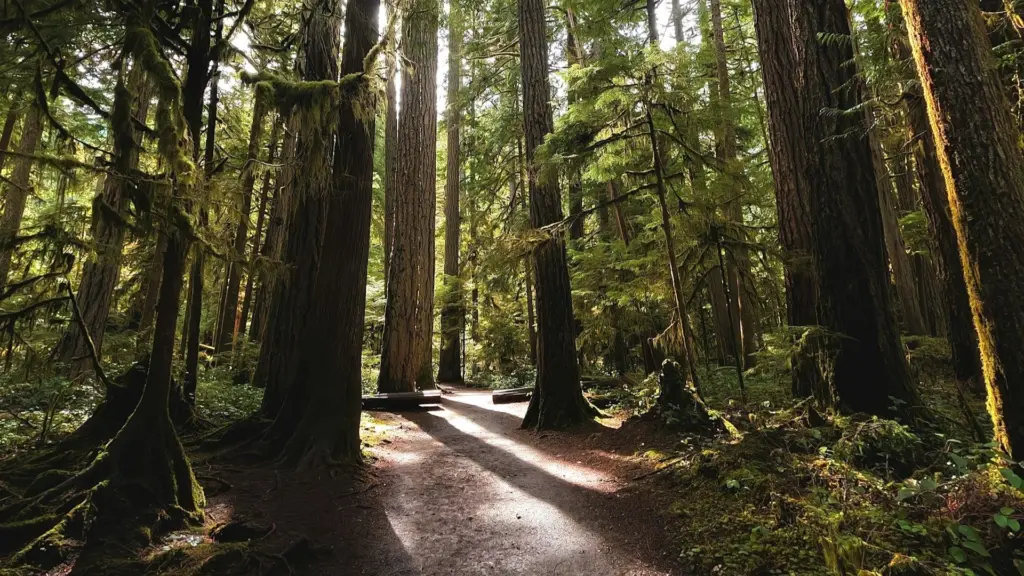
According to the summary draft analysis, “The most important tool we have to deal with temperature concerns is to leave more trees near streams. These buffers, also called riparian areas, provide shade that helps regulate temperatures and keep the water cool. Buffers also help filter out pollutants, reduce erosion, provide nutrients for aquatic life, and can help minimize the impacts from flooding.”
The draft analysis goes on to note that “This rule is limited to a subset of the harvestable forest land in Western Washington, estimated as less than 3% of approximately six million acres covered by the Forest Practices Habitat Conservation Plan.”
It concludes “that the Forest Practices Board’s proposed rule would substantially improve water quality for non-fish bearing perennial streams in Western Washington. This is good news. The buffer options proposed in the rule should result in minimal stream warming, and the duration of any warming that may occur is expected to be less than what happens under today’s rules.”
“The fundamental problem with the rule is that the Board failed to follow the science-based process required by statute for amending its rules,” the lawsuit states. “The prior, 50-foot buffers were implemented in 2001 as one element of an historic agreement between private timberland owners, tribes, and state and federal government agencies called the Forests and Fish Report. The report, negotiated over two years, established a collaborative agreement to govern forestry practices in the State to contribute to the State’s Statewide Salmon Recovery Strategy and meet the requirements under the Endangered Species Act and Clean Water Act while protecting the economic viability of the timber industry.”
According to the lawsuit, which seeks to overturn new state rules that expand mandatory no-cut buffer zones, the new rules constitutes an overreach that exceeds the intent of the Forest and Fish law, were made without any meaningful negotiation, and ignore on-the-ground realities and cost-effective solutions, offering little to no benefit for salmon recovery and adding costly, unnecessary regulations.
The lawsuit states that “forest landowners who face substantial financial consequences, compliance costs, loss of property value, inaccessible timber, and disruptions to their timber harvest plans from the Expanded Buffer Rule. For some members, compliance with the Expanded Buffer Rule will not be economically feasible and may result in loss of their businesses.”
According to the Washington State Department of Commerce, the Evergreen State’s forest products industry is worth approximately $36 billion in annual gross business income. This sector supports more than 100,000 workers who earn nearly $6 billion in wages, contributes to about 9% of the nation’s paper products, and accounts for 25% of U.S. log and lumber product exports.