BOISE, ID – An influential conservative think tank is urging the Idaho Legislature to cut Medicaid expansion, public school funding and other programs to balance the state budget.
Idaho is projected to face a between a $600 million and $1 billion budget deficit in fiscal year 2027, which begins July 1. It is already facing a roughly $58 million deficit in the current fiscal year.
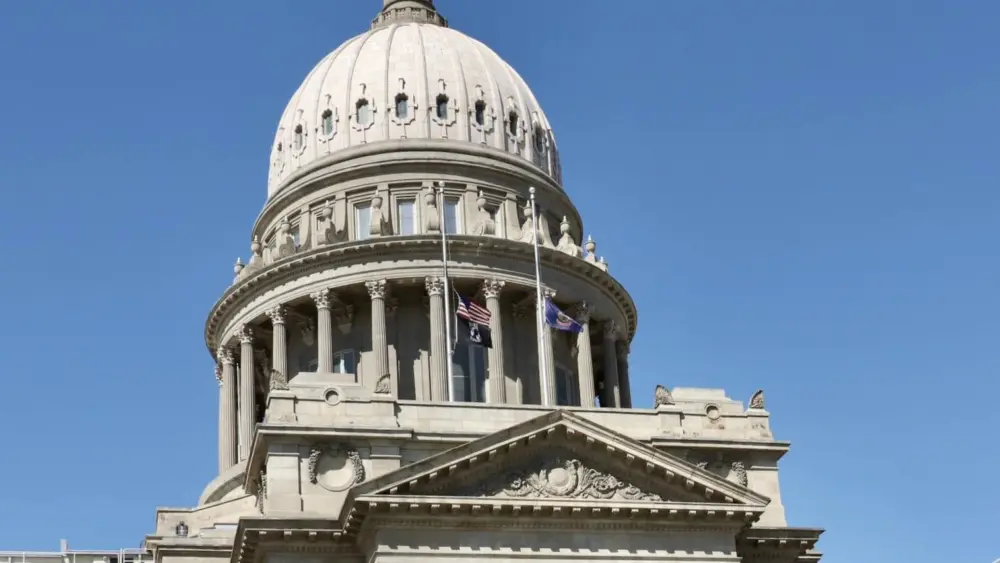
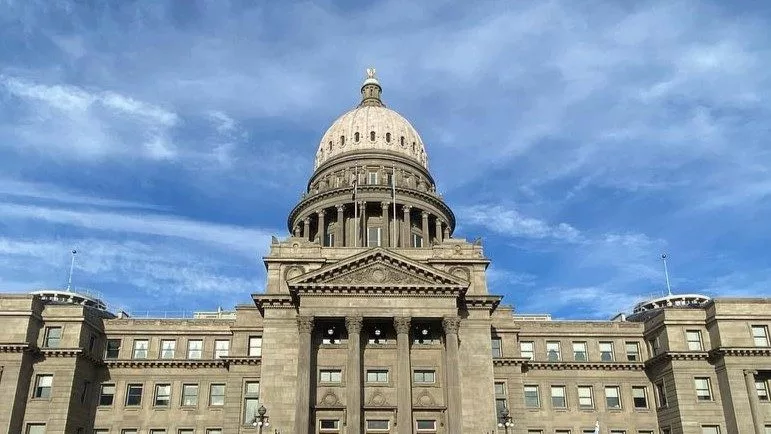
Leaders from the Idaho Freedom Foundation — a nonprofit organization that scores legislators based on their votes and frequently lobbies on bills — said Monday at a press conference at the Capitol building in Boise the state’s problems were “self-inflicted.”
“Idaho does not have a budget problem,” Idaho Freedom Foundation President Ron Nate said. “We have a budgeting problem.”
The organization, known as IFF, called for nearly $1.9 billion in cuts to the state budget next year, including state general funds, dedicated funds and federal money.
Nate emphasized that the problem wasn’t from the several income tax cuts or rebates approved in the last five years, which the Idaho Fiscal Policy Center estimated to have reduced revenue by a total of $4 billion dollars.
The speakers Monday blamed the deficit on increased spending amid the influx of federal pandemic relief funds since 2020. In 2022, the state ended the fiscal year with a record $1.4 billion surplus.
Fred Birnbaum, IFF senior policy fellow, said revenue has continued to grow despite the tax cuts. He said the state could support more cuts if it constrained its spending.
Cutting Medicaid expansion central to IFF’s budget proposal
The biggest cut proposed would be to eliminate Idaho’s Medicaid expansion program. Idaho voters in 2018 approved a ballot initiative to expand Medicaid eligibility to adults who earned too much to qualify for traditional Medicaid but not enough for premium credits to afford private coverage through the state health insurance marketplace.
The Idaho Department of Health and Welfare in fiscal year 2026 had requested around $1.3 billion from all funding sources to fund the program; the services are 90% covered by the federal government and the state covers the remaining 10%.
As of October, which is three months into the fiscal year, the program had spent around $339 million from all funds, which was around 4% less than was budgeted for, according to the agency’s most recent Medicaid budget report.
There have been multiple efforts in the Legislature to repeal the program, which covered about 85,000 Idahoans as of Nov. 14. Those who support its repeal said the program is too expensive. Many of those who opposed repeal have said that uninsured people delaying care and ending up in emergency rooms would result in even higher costs. Previous funds to cover indigent care were eliminated upon approval of Medicaid expansion.
The group also called for an additional $100.5 million in cuts to Idaho Health and Welfare, or a 15% cut from the agency’s prior year budget.
Group calls for $166 million cut in Idaho public school spending
Gov. Brad Little in September called for state agencies nearly across the board to permanently cut their budgets by 3%, but he exempted K-12 public schools.
IFF leaders on Monday said that the K-12 budget should be held to the same cutbacks, and proposed a $166.5 million cut to the state’s public school support budget.
“If we’re really in a fiscal deficit, we should be cutting back across all agencies and programs,” said Brett Farruggia, IFF policy analyst. “There should be no exemptions from any agency or program, especially unmerited ones.”
The group also asked for the repeal of Idaho Launch, a $75 million grant program for graduating high school seniors to use toward university and college tuition or work training and apprenticeships in in-demand fields.
The IFF leaders did not recommend cutting the $50 million private school choice tax credit, which allows state money to go to parents for private education, including private school tuition.
The group asked for various other cuts to agencies, targeting especially ones that have grown more quickly.
A handful of legislators attended Monday’s press conference. Ultimately, lawmakers and the state budget writers on the Joint Finance-Appropriations Committee will decide how to balance the budget for next year. The legislative session will begin Jan. 12.
This story first appeared on Idaho Capital Sun.