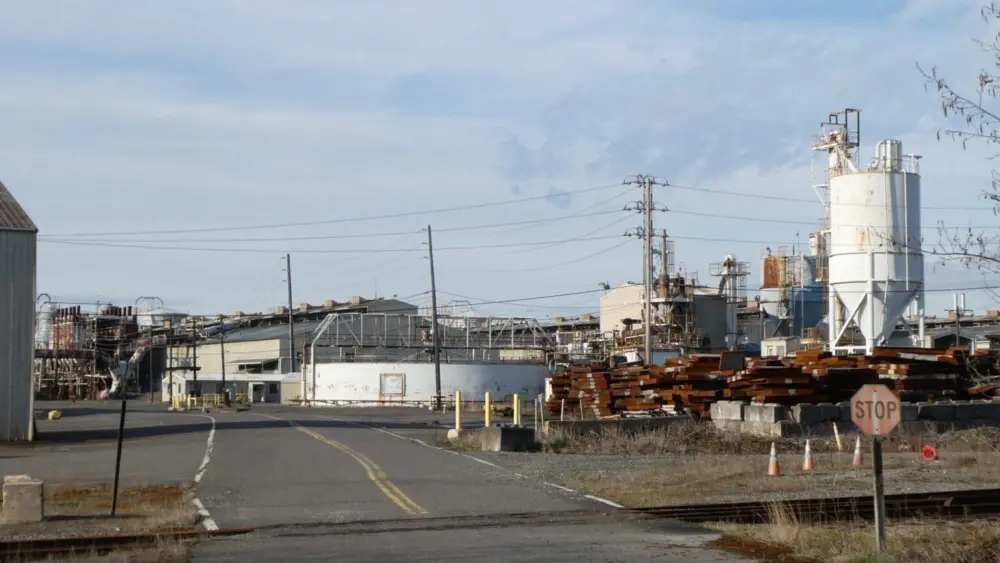
PORTLAND, OR – A proposed renewable diesel plant on the Columbia River would likely not live up to its promise of supporting Oregon’s emissions goals, according to a new report.
The NEXT Renewable Fuels refinery near Clatskanie would produce 50,000 barrels of diesel daily.
Audrey Leonard, staff attorney for the conservation group Columbia Riverkeeper, which released the report, said more than 90% of the facility’s fuel would come from high-carbon crops like soy and canola, not the low-carbon waste oils it promotes.
“NEXT will have a really difficult time sourcing enough of the truly low-carbon feedstocks to make the amount of fuel that it plans to make,” Leonard explained. “If NEXT has to rely on these higher-carbon feedstocks, that will make their fuel less competitive and less valuable in markets that reward the truly low-carbon fuels.”
She pointed out sustainable sources like used cooking oil are limited in supply and they are more expensive because they are incentivized by large markets like California’s. Columbia Riverkeeper is currently challenging two of the facility’s permits in court.
Leonard stressed when thinking about a fuel’s carbon footprint, it is important to take into account the emissions from every step of production, including the energy it takes to grow and ship the crops, turn them into oil and process the oil into diesel.
“In this case, NEXT would be powered by fracked gas and would emit up to a million tons of greenhouse gases per year,” Leonard reported. “Using the same amount of gas as the city of Eugene.”
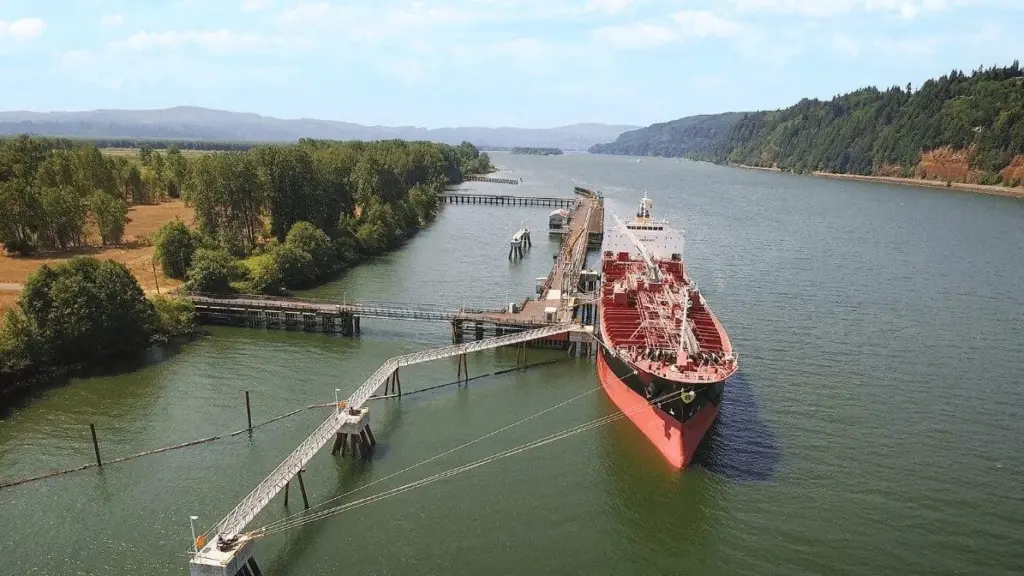
Along with carrying a big carbon footprint, Leonard argued it is hard to find a worse place to build a refinery, because the proposed site is on unstable, waterlogged soil which supports local farmland and will likely liquefy in the event of a large earthquake. She added the facility would mean more boat traffic on the Columbia River.
“Anytime you have more ships in the Columbia, you have an increased spill risk and increased effects to the habitat in the river,” Leonard asserted.
NEXT has plans to build a similar facility in Lakeview, Oregon. Leonard emphasized the company’s past should serve as a warning, noting its backers were involved in a failed 2014 biodiesel plant in Odessa, Washington, which left behind a costly Superfund cleanup for the state along with unpaid local bills and taxes.