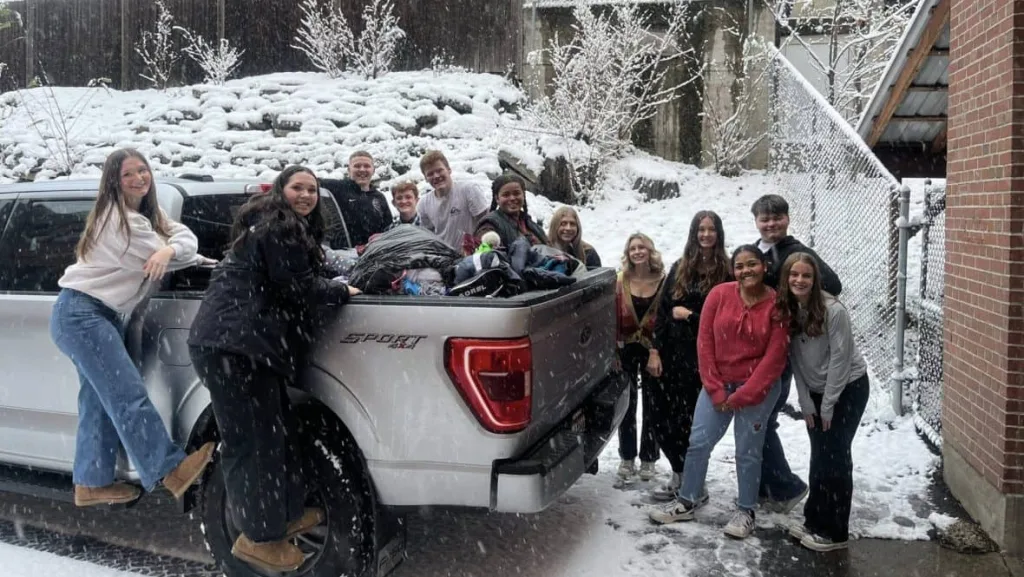
Originally posted on IdahoEdNews.org on December 17, 2025
MOSCOW, ID – Tiny glittery cowboy boots poked out from a clothing rack Tuesday afternoon at the Moscow School District Family HUB as a mom held up a shirt and tilted her head.
It was a moment that Brian Smith, community schools coordinator at the district, had dreamed of when applying for the United States Department of Education Community Schools grant last year.
School districts have often found ways, both formal and informal, to make sure kids have clothes and shoes, but Smith wanted to give Moscow families more than a box of things quietly in the school counselor’s office. He wanted to give them dignity and moments of connection, even when receiving help.
“This one mom said, ‘I see moms holding dresses up in front of their daughters…and that’s what I want to do. I want to have the experience of getting things as a family,'” Smith recalled.
The community schools grant made a “store” at the HUB possible, along with free books, haircuts, and hygiene supplies. It paid for trips to see theater productions, forestry simulators, swim lessons, new school clubs, and more. The program was run by Smith and two community coordinators, one at the high school and another at the middle school.
Earlier this week, Smith learned that the grant would be cut off on Dec. 31 after the Trump Administration cited required diversity equity and inclusion (DEI) language in the original applications under President Joe Biden.
Now, Smith has to tell students that planned programs and field trips won’t be happening. The HUB will be open by appointment only and the coordinators will lose their jobs.
“In the next three days, so I have to go walk in front of a room full of middle schoolers that trusted the grown-ups around them, and say, I know your whole life, your school has held to their word, and I can’t now,” Smith said through tears.
More: US Department of Education cancels Idaho community schools grant, citing DEI
Creating Community Schools
In the spring of 2024, Moscow School District decided to close Russell Elementary School, the oldest grade school in operation.
Smith, who also serves as principal of Paradise Creek Regional High School, an alternative school, and runs the district’s CTE programs, was already thinking about applying for the federal grant, which launched that year.
He pitched turning the closed school into a HUB for district resources, which was quickly approved. Smith started moving in that summer. Last school year, he was able to serve about 180 family with clothes, books and other resources by appointment only.
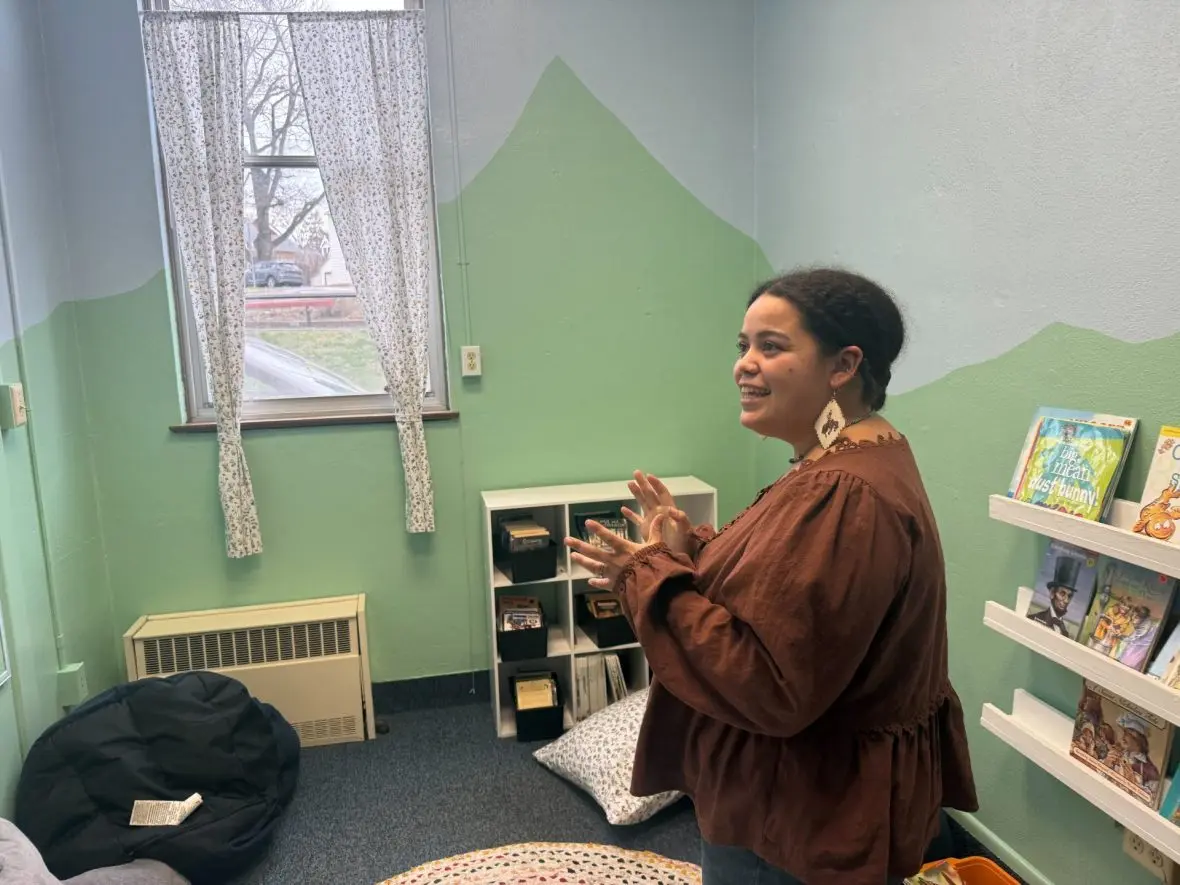
Local church groups helped paint and decorate a “book nook” for kids to hang out in while their parents shopped and a group of about 45 sorority members from the University of Idaho transformed what used to be an office into a makeshift store.
The grant funds were key, Smith said, in getting the community schools program off the ground. The grant, totaling about $800,000 over three years, paid for two full-time coordinators and a $40,000 per year budget at each school for programming.
Those funds not only allowed the HUB to be open weekly but also paved the way for new programs and events. Since September, the HUB has helped over 300 families.
Bringing the community to school
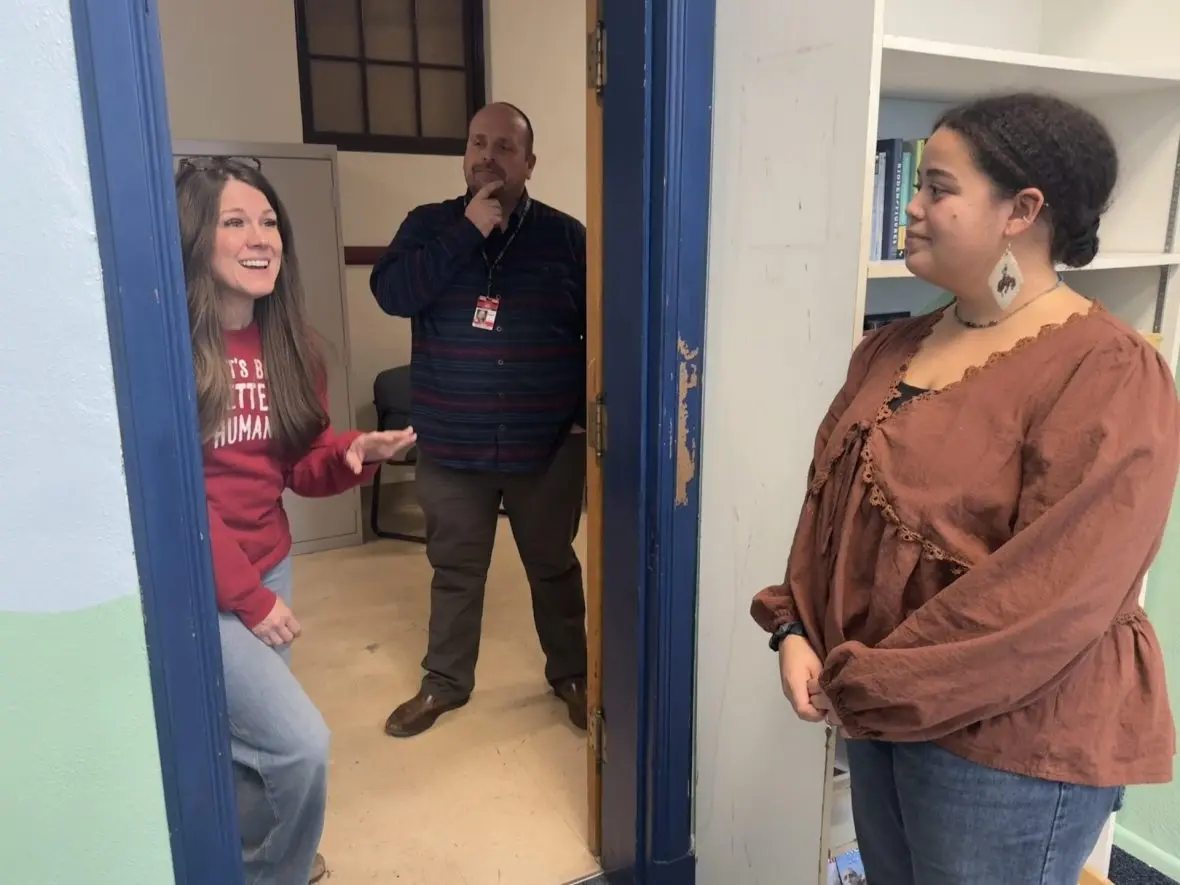
Smith immediately started doing outreach to local businesses, finding unique ways to partner after receiving the grant.
“The typical relationship between public school and local business is always asking for money,” Smith said. “This one, though, lets us come at it from different angle of we’re actually not asking about money.”
He met with leaders at Best Western, who after hearing about the Cub Pride program at the middle school that teaches kids how to be better students, offered to cater a launch day lunch at the start of the school year.
The fancy meal blew the kids away, Smith said.
“Kids are going like, why?” Smith said. “Best Western staff are saying, because you’re important, you’re leaders in the school.”
Now, the hotel plans to host an arts gala to celebrate student creations.
Smith began hosting volunteer days at the HUB for local businesses in lieu of traditional team-building exercises. Businesses host clothing drives, then arrive at the HUB to help process the items and get them displayed in the store.
“Everyone gets really excited because it’s just three blocks from where they work,” Smith said. “They just know that they’re going to drive down the road and see somebody wearing the clothes with a backpack that they work so hard to donate.”
Even students are getting involved. Melissa Godfrey, the middle school community coordinator, reached out to sports team coaches to see how she could best help them.
The girl’s cross country coach setup a day where the team ran from their school to the HUB then helped sort a truckload of clothes that had just been donated.
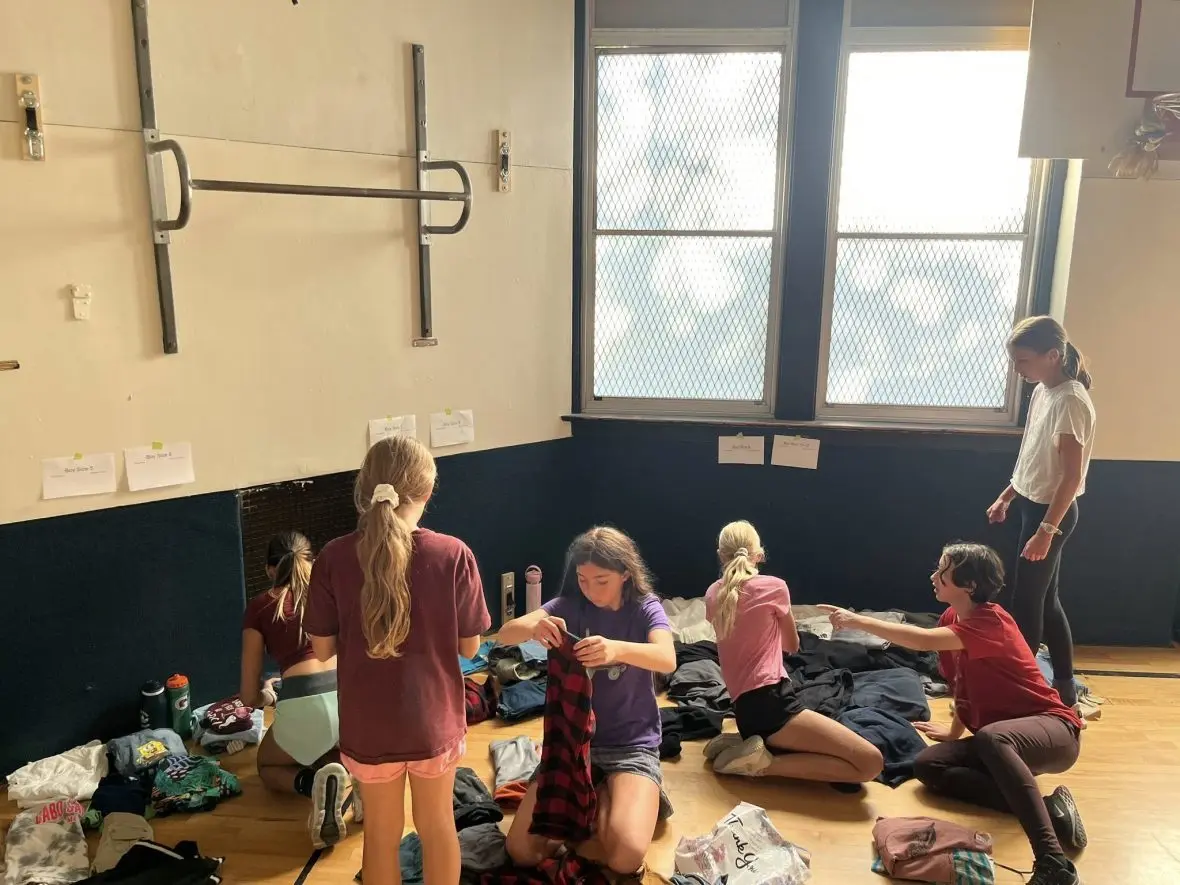
A member of the Model United Nations team organized a professional clothing end cap at the store ahead of their competition in Seattle last month.
High schoolers did a clothing drive ahead of a Cocoa and Coats event earlier this month, filming TikTok-style videos marketing the event and asking for donations.
‘Come as you are, even if it’s messy’
Vanessa Thomas, who started as the high school community coordinator in September, loves the days when the HUB is open to shoppers.
She often finds herself holding a baby while parents shop or playing on the floor with a toddler. It can get chaotic but Thomas hopes that families see they just want to help.
“Come as you are, even if it’s messy,” she said.
A single dad of five came in last month and filled three boxes of clothes for his kids before taking a couple food vouchers for the nearby Moscow Co-Op to have a special pizza night.
“He was like, ‘Oh my gosh, kids are gonna feel confident I don’t have to worry about this this month. I can worry about paying off the bills,'” Thomas said.
On Thursdays, Thomas spends the day with her “HUB Helpers” a group of high school students in the special education program who are working on life skills. They help sort and wash the clothes, preparing to one day live independently.
When she’s not at the HUB, Thomas runs a mentorship program at the high school and supports student groups and clubs.
Last week she had a meeting with a group of students hoping to restart a chapter of Key Club, an international service organization. But that likely won’t happen now that Thomas is out of a job at the end of the month.
Melissa Godfrey, the middle school coordinator, said her job is really about helping kids through the awkward and difficult years that often come between sixth and eighth grade.
She’s the one who teachers go to when they have a kid with a tattered backpack or holey shoes.
“Having people in their corner and saying, like recognizing it, and then being able to get it for them has really been a big help,” she said.
Godfrey also plans programming that meets student and family needs that might not fit in traditional avenues.
Next month, she had planned to take 45 students to Washington State University’s College of Engineering during a teacher workday. The odd no school day is difficult for parents, especially of middle schoolers, to find childcare, she said.
What’s next
Smith plans to keep the HUB open but on an appointment-only basis. He also hopes to find funds to finish out many of the planned programs for the rest of the school year.
United Way of the Treasure Valley, which administers the grant, plans to appeal the federal decision that’s ending the program. Smith encouraged locals to reach out to their legislators and voice support for the program.
Godfrey and Thomas will have to look for new jobs but both plan to continue volunteering as much as they can.
“I’m pretty heartbroken,” she said. “I love my school, and I love my kids. So I’m just worried. I’m worried for them.”