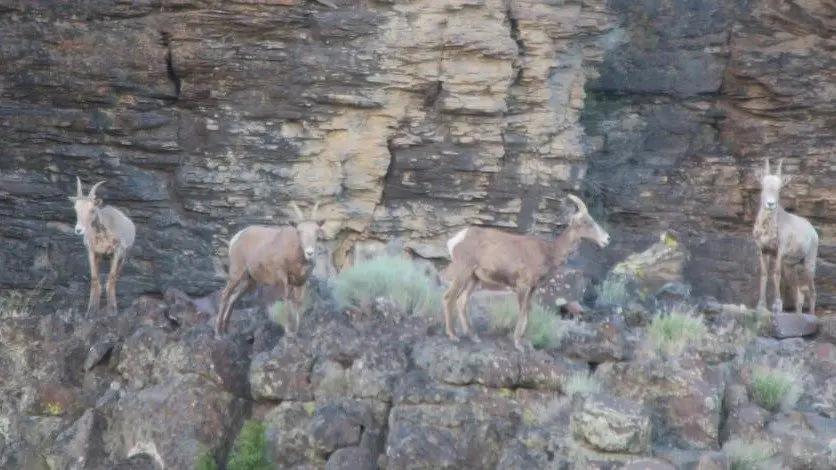
IDAHO – Idaho Fish and Game, in collaboration with the Oregon Department of Fish and Wildlife, the Wild Sheep Foundation, and the Idaho and Oregon Chapters of the Wild Sheep Foundation, will begin moving California bighorn sheep from eastern Oregon to the Jacks Creek area of Owyhee County, Unit 41, in early January, launching a multi-year effort to rebuild the size and long-term resilience of a herd that has been declining in recent decades.
Sheep for the project will come from a healthy population near John Day, Oregon. Thirty bighorn sheep will be translocated to the Jacks Creek population in early January.
A major goal is to increase genetic diversity to support long-term herd health. Low genetic diversity can limit a population’s ability to adapt to changing environmental conditions and increase vulnerability to and impact from disease.
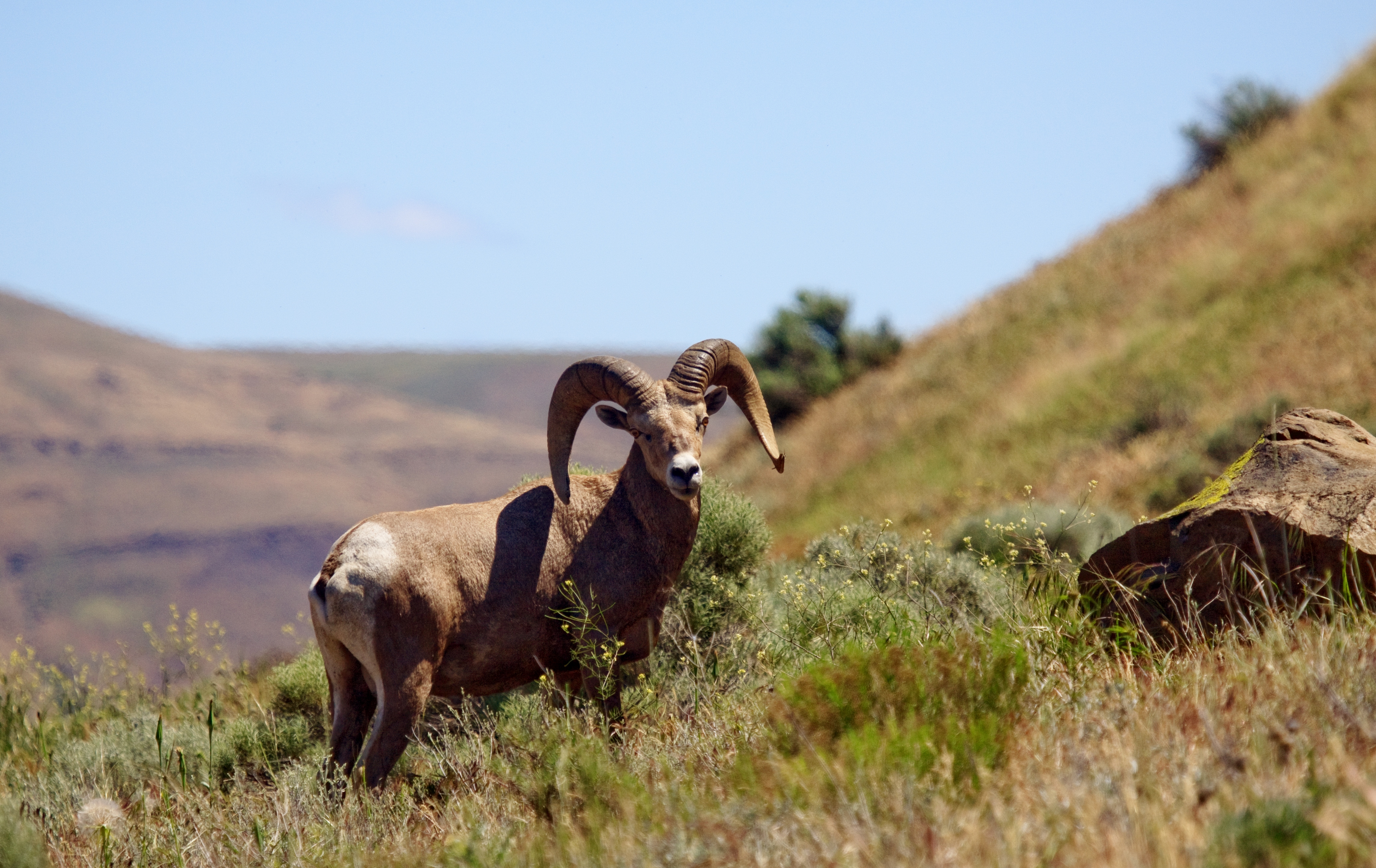
“We believe low genetic diversity in this isolated population could be contributing to lower reproductive success and overall population declines,” said Regional Wildlife Manager Ryan Walrath. “Our hope is that the augmentation will increase genetic diversity, and that will increase their ability to survive and reproduce.”
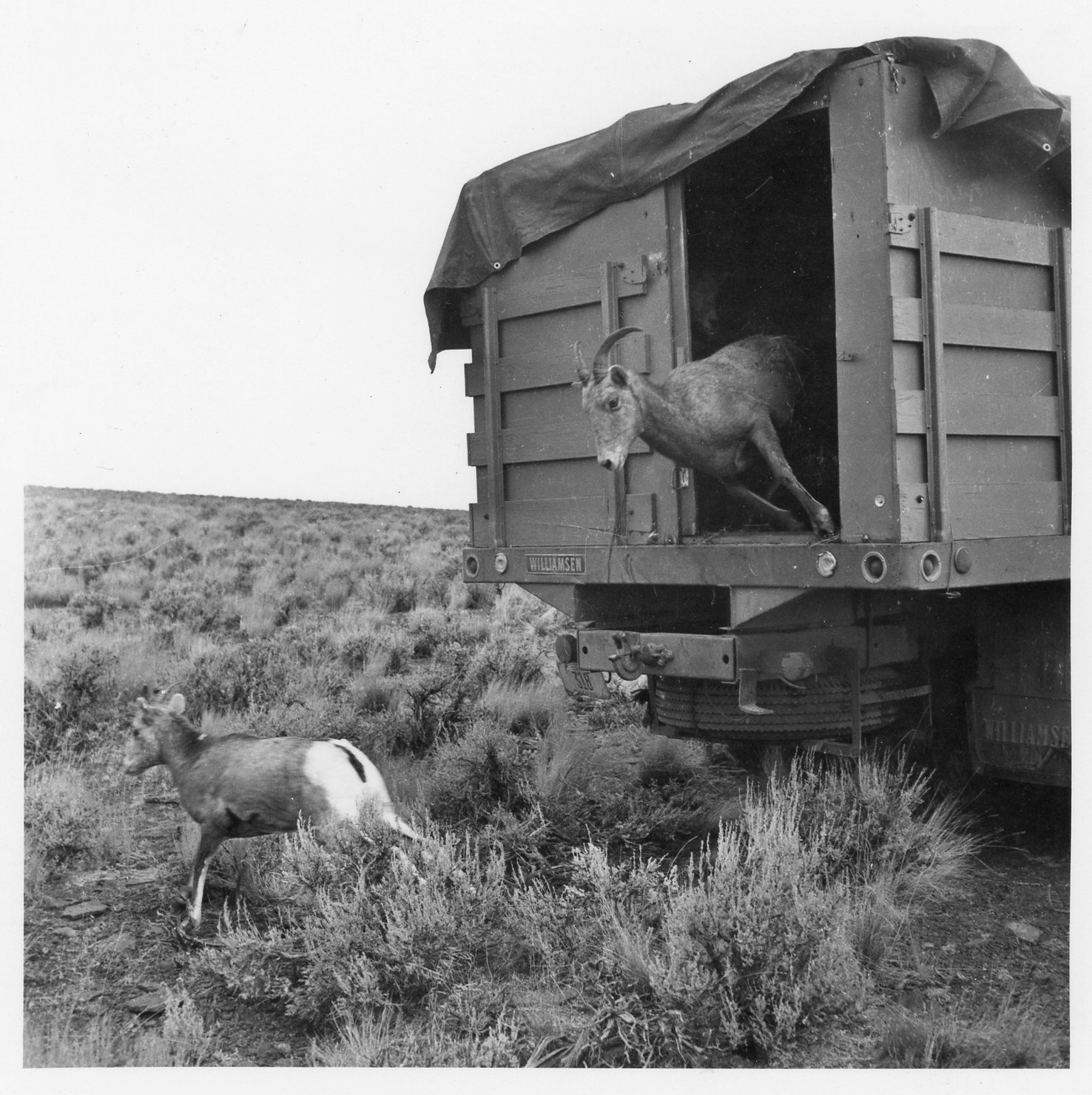
Bighorn sheep were historically common in Owyhee County, but native sheep were lost from the local landscape in the early 1900s. California bighorn sheep were first translocated back into the Jacks Creek area in the late 1960s, with more bighorns added in the 1980s to bolster the growing population. The herd grew to approximately 360 animals at its peak in the early 1990s, but has declined steadily since then. A July 2024 survey counted 111 sheep.
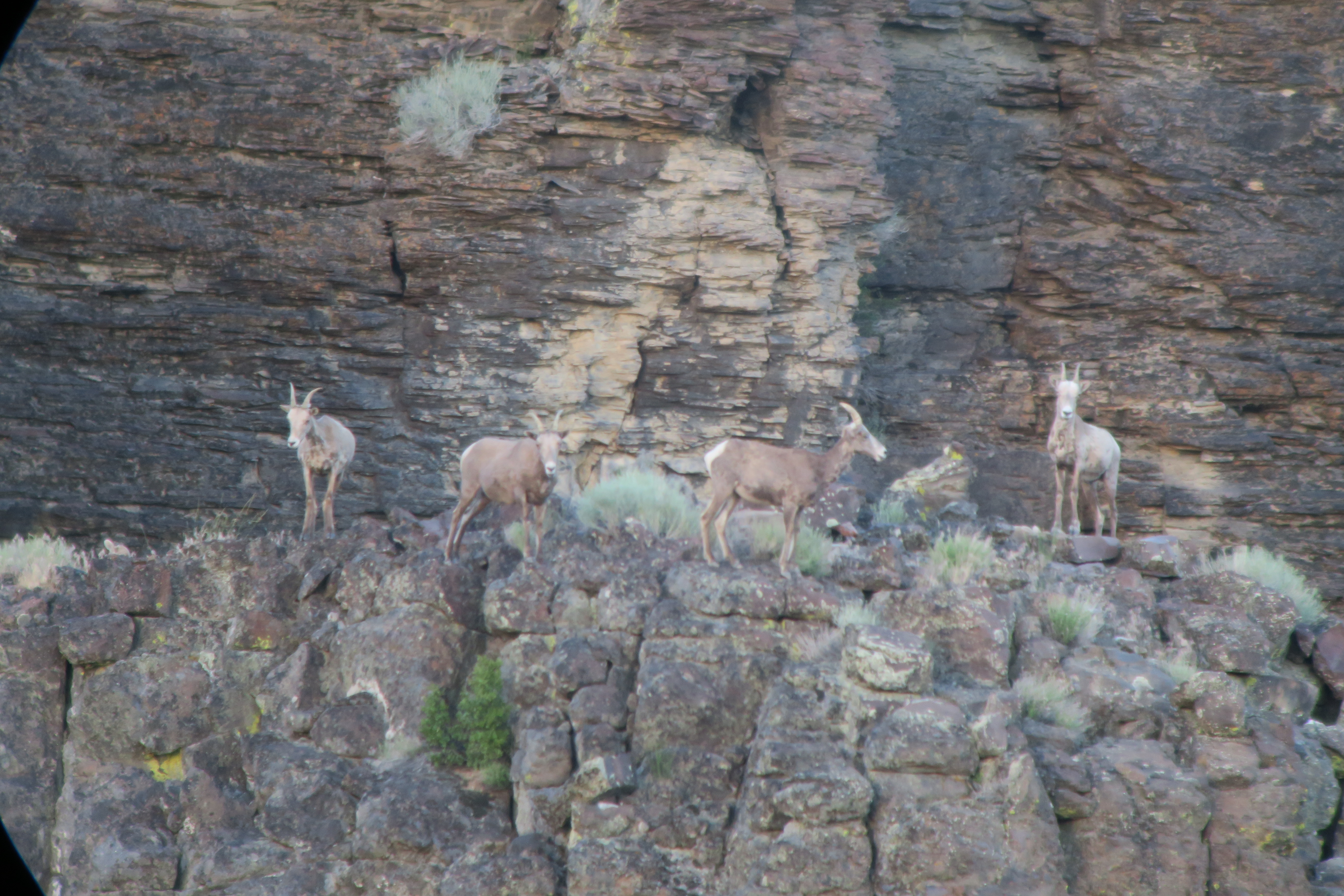
As part of intensive research in recent years, which the Idaho Chapter of the Wild Sheep Foundation helped to fund, biologists evaluated whether habitat limitations or disease were driving the decline—conditions that may disqualify a herd from augmentation—and found neither to be limiting.
Studies indicate the area has suitable habitat to support a much larger population of bighorn sheep, and health testing of Jacks Creek sheep has found no evidence of pneumonia-causing bacteria that have caused severe die-offs in bighorn sheep populations elsewhere.
“The Idaho Wild Sheep Foundation has helped fund the recent bighorn research in Jacks Creek, and we’re excited to see that research being used to bring about this herd augmentation,” said Triston Warner, Idaho Wild Sheep Foundation President. “Every cowboy knows that now and then, you need to bring in a fresh bull for your herd. This is the same thing. Hopefully, the ‘new blood’ from Oregon will revitalize this declining herd of bighorn sheep.”
Fish and Game staff have also been closely monitoring causes of death for bighorn sheep, including predation. Wildlife managers know that mountain lion predation affects the sheep population and have progressively added lion hunting opportunities over the last several season-setting cycles to address predation in the Owyhee units. That has included removing female quotas, instituting a two-lion bag limit, removing the nonresident hound-hunter quota, discounting nonresident tags, and moving to a year-round season.
Fish and Game will take additional steps to remove mountain lions that target bighorn sheep in the release areas to help ensure that the augmentation is successful.
This project’s timing is also driven by opportunity. Both the Jacks Creek herd and the John Day source population are disease-free, and Oregon wildlife managers agreed to provide sheep.
“In a lot of ways, the stars aligned at the perfect time,” Walrath said. “We have a disease-free source population that Oregon is willing to share sheep from, a disease-free population at Jacks Creek, and the research showing that this effort is likely to be successful.”
Most of the sheep that will be moved are females, which play a critical role in population growth. All translocated animals will be tested for disease before release and fitted with GPS collars, allowing biologists to closely monitor survival, movements, reproduction, and lamb survival.
Success will be measured by future surveys showing an upward population trend. Managers will look for increases in adult female survival, improved pregnancy and lambing rates, and more lambs surviving to adulthood.
“At its core, success is simple,” Walrath said. “We want to see more sheep on the landscape and a population that’s healthy and growing.”