BOISE, ID – Idaho will receive nearly $930 million over the next five years to improve rural health care access and affordability.
The massive federal tax and spending package approved in July included $50 billion for “Rural Healthcare Transformation” grants nationwide.
Idaho on Dec. 30 was awarded nearly $186 million in annual grants to be distributed over five years to implement the plan outlined in its grant application, which focuses on five initiatives: “improve rural access to care through technology; ensure accessible quality care through innovative models; sustain rural workforce with training, recruitment, and retention; implement population-specific, evidence-based projects to make rural America healthy again; and invest in rural health infrastructure and partnerships.”
“For many Idaho families – especially in rural areas – affordable, accessible health care is a real concern,” Gov. Brad Little said in a press release. “This investment, made possible by the One Big Beautiful Bill Act, recognizes those challenges and puts resources where they’re needed most. It helps strengthen local health care and ensures Idahoans can get the affordable care they need, no matter where they live.”
The Idaho Department of Health and Welfare submitted the state’s application with consultation from a task force convened by Little.
The state will use the funds to provide subgrants to support the goals and projects outlined in its application.
“A budget request will now go before the Legislature for federal funds approval,” the press release said, “and additional details about implementation will be shared as they become available.”
Idaho plans to use technology to improve rural access to care
The state’s application includes plans to conduct assessments on rural health care facilities to identify gaps, develop shared infrastructure among clients and to invest in equipment, software and training to expand telehealth options.
The state plans to help procure mobile apps and online portals to help Idahoan patients for “self-monitoring, appointment scheduling, medication adherence, and coaching.” Investments in cybersecurity improvements, AI clinical tools, emergency system upgrades, and health management and analytics systems are also included in the plan.
The goals to achieve by 2030 include increasing the number of facilities utilizing telehealth by 50%, increasing the percentage of physicians located in each of Idaho’s rural counties that are connected to the new Health Alert Network (HAN) to at least 80%, and increasing the number of appointments completed using telehealth or remote delivery modality by 50%.
Idaho’s plan to use ‘innovative models’ includes diagnostic kiosks, workforce programs
Idaho’s grant application outlines plans to deploy kiosks and pods in rural communities in places such as libraries, grocery stores and pharmacies where people may attend a telehealth appointment or receive mail-order prescriptions in lockers.
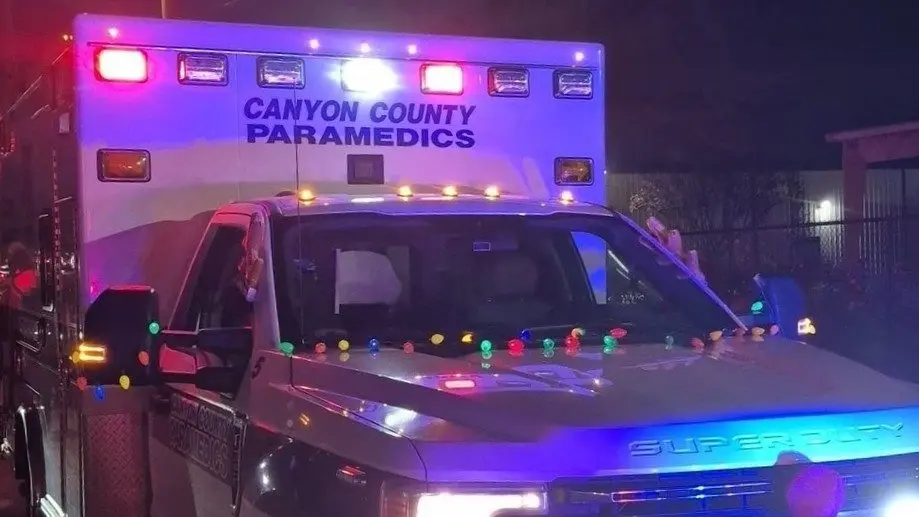
To address workforce shortages in rural areas, the plan proposes to further utilize health care professionals who aren’t doctors, such as emergency medical services, or EMS, responders. The plan said it may use funds to create designated locations where these professionals could hold in-person contact hours or offer apprenticeships. Funds would also be used to develop a Community Health Emergency Medical Services plan and allow trained EMS professionals to perform check-ups and wellness assessments in homes.
Funds may be targeted at recruitment, retention and training of EMS professionals.
Goals include increasing the percentage of Idaho’s rural counties that have at least one county-level full-time equivalent paid EMS position from 28% in October 2025 to at least 97% by December 2030 and to decrease the percentage of emergency responses to repeat users (those who received services more than more than once in a year) from 32% in 2013-2016 to less than 10% by December 2030.
Funds may target incentives on medical education, training and retention in rural areas
Most of Idaho is rural, and the entire state is experiencing a significant shortage in doctors, especially in certain areas such as obstetrics and gynecology. The state does not have a public medical school in its borders, but it has some state-sponsored seats at the University of Washington and University of Utah medical schools.
Both graduate and undergraduate medical students can do required training rotations in Idaho, and increasing opportunities for these clinic rotations in Idaho has been a focus of a recent task force looking to boost medical education in the state.
The application includes financial incentives for doctors who commit to working in rural areas for at least five years, including signing bonuses and retention bonuses. There would also be money put toward health care education scholarships to students who would commit to serving in rural areas upon graduation, and support for physicians who train undergraduate or graduate medical students.
Using the federal grant to support medical training in rural areas was an idea floated by the Idaho Medical Education Working Group, the Idaho Capital Sun reported in September.
Projects to deploy address chronic disease, mental health, maternal health
Within Idaho’s initiative to “make rural America healthy again,” are projects to implement national standards and screening to try and prevent chronic health conditions, improve mental health and substance abuse treatment and address shortages in maternal and child health services.
Projects include the National Diabetes Prevention program to prevent or delay type 2 diabetes, and diabetes self-management education and support programs, as well as enhanced screening and education about Alzheimer’s and related dementias, and cancer, heart disease and other chronic conditions.
Funds could be used for initial start-up costs for a pediatric psychiatry access line, so that pediatricians may be able to consult with child psychiatrists, according to the application. Other efforts could include providing space for mental health treatment in schools, expanding mobile crisis response teams and mobile medication assisted treatment for substance abuse, and to complete a needs assessment of maternal and neonatal care.
Goals include decreasing the number of deaths from suicide, drug overdose, and alcoholism by 25% from 1,216 in 2023 to 912 or fewer by December 2030 and increasing the number of rural hospitals completing one or more new perinatal collaborative initiatives from zero to eight by December 2030.
Infrastructure investments may include equipment, vehicle and mobile screening units
The planned investments in rural health care infrastructure include supporting renovations of facilities that would facilitate prevention programs, behavioral health treatment, dental and maternal health services.
The funds could also be used to modernize facilities with the purchase of equipment such as MRIs, CT scanners, equipment for compounding pharmaceuticals and other items that would allow rural residents access to higher-level care without having to travel to a larger community.
The application includes a plan to purchase mobile mammography units to offer breast cancer screenings in areas where they are not offered, and to help clinics and facilities retrofit vehicles to use for patient transportation.
The application included a commitment to strengthen its partnership with the five federally recognized Native American tribes in Idaho, as well as to set aside 3.5% of its total grant to support tribal health care facilities and projects intended to improve services for Native American residents.
This story first appeared on Idaho Capital Sun.