WASHINGTON, D.C. — Legislation aimed at removing barriers to housing assistance for disabled veterans has cleared the U.S. Senate and is headed to the president’s desk.
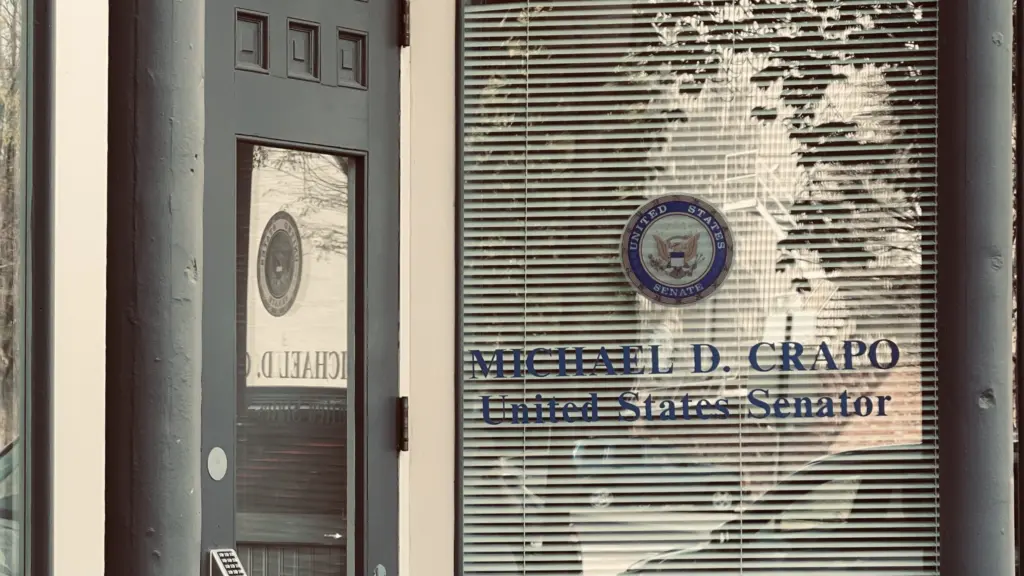
The Disabled Veterans Housing Support Act, sponsored by U.S. Sen. Mike Crapo, R-Idaho, and U.S. Sen. Jack Reed, D-Rhode Island, was unanimously passed by the Senate this week. The bill would exempt service-connected disability compensation from being counted as income when determining eligibility for certain federal housing programs.
Under current guidelines used by the U.S. Department of Housing and Urban Development, disability benefits received by veterans are included in income calculations for housing assistance funded through the Community Development Block Grant (CDBG) program. Lawmakers say that practice has made it more difficult for some disabled veterans to qualify for affordable housing and has contributed to veteran homelessness.
The legislation would exclude service-connected disability compensation from those income calculations, potentially expanding access to CDBG-funded housing assistance for wounded and disabled veterans.
In addition, the bill directs the U.S. Government Accountability Office to submit a report to Congress within one year examining how individuals with service-connected disabilities are treated when applying for HUD housing programs. The report is expected to include recommendations on how the department could improve services for veterans and other underserved populations.
The U.S. House of Representatives unanimously approved the measure in February 2025. The House version was led by Reps. Monica De La Cruz, R-Texas, and Brad Sherman, D-California.
The bill now awaits the president’s signature to become law.