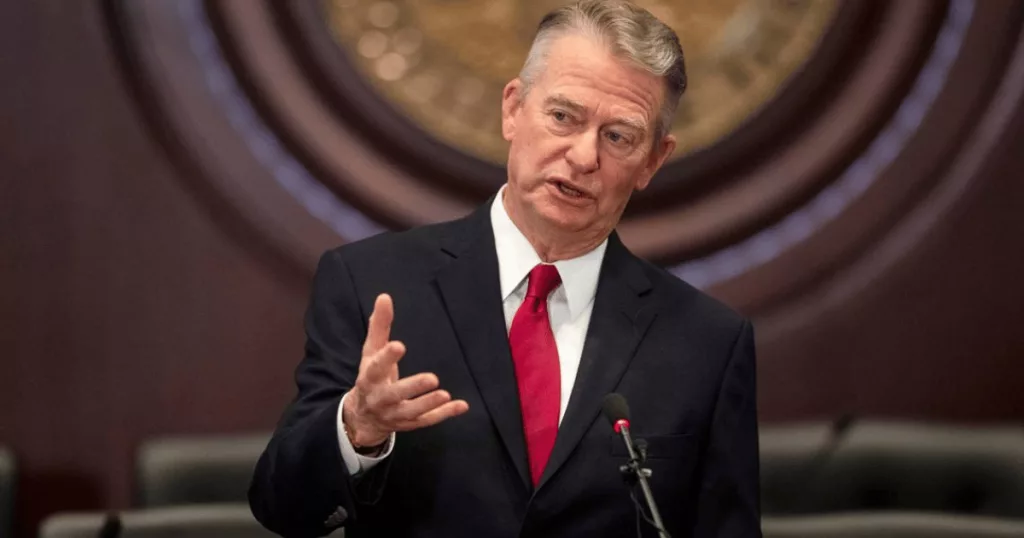
BOISE, ID — Idaho Gov. Brad Little on Monday presented his State of the State and Budget Address, outlining a proposed balanced budget for fiscal years 2026 and 2027 and introducing what his administration calls the “ENDURING IDAHO” plan, a framework focused on fiscal management, public education funding, and long-term planning.
During the address, Brad Little said the state is transitioning from several years of budget surpluses to a period requiring more restraint, citing slower revenue growth, tax changes, and broader economic uncertainty. The proposed budget avoids deficit spending and new debt while aiming to preserve Idaho’s AAA credit rating.
According to the administration, the ENDURING IDAHO plan includes a mix of one-time and ongoing spending reductions across state agencies. Executive departments would be directed to renegotiate contracts, reprioritize programs, and pursue operational efficiencies to align spending with available revenues. Public K–12 schools are excluded from budget cuts under the proposal.
The governor said state support for public education has increased significantly during his tenure, including higher teacher pay, expanded literacy investments, and funding for school facilities. The budget proposal maintains current funding levels for public schools and provides continued discretionary funding for local districts.
The plan also preserves funding for Idaho LAUNCH, a workforce training program designed to connect residents with in-demand jobs. In addition, the budget maintains investments in water infrastructure to support agriculture and rural communities.
Health care access, particularly in rural areas, was another focus of the proposal. The administration said Idaho is positioned to invest nearly $1 billion in federal funding over the next five years to improve rural health care access and affordability, including workforce development and graduate medical education.
Little also highlighted efforts to reduce state regulations and streamline government operations, referencing ongoing reviews of state rules and statutes intended to eliminate outdated or duplicative requirements.
The address marked the start of the 2026 legislative session. Lawmakers will review and debate the governor’s budget recommendations in the coming weeks as part of the annual appropriations process.