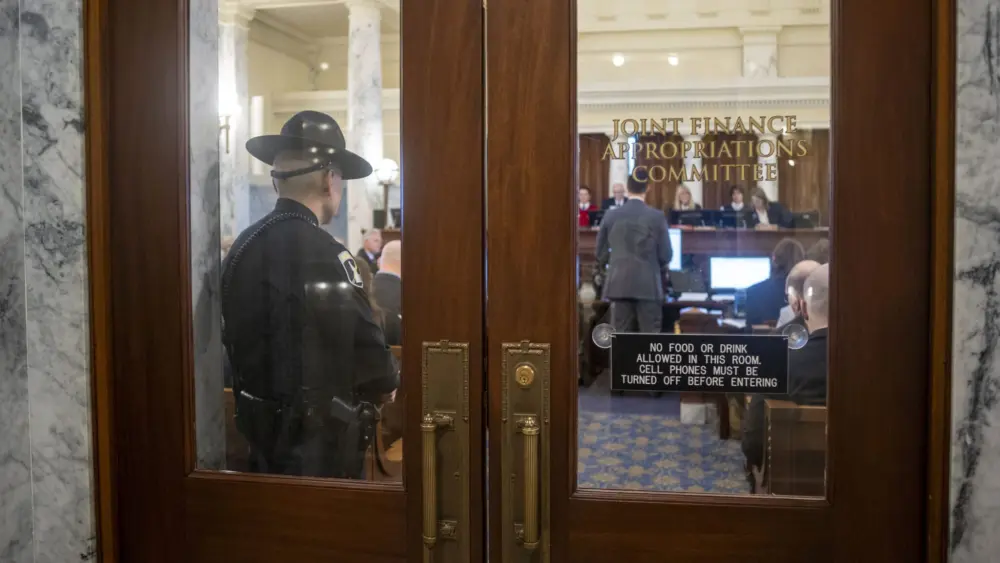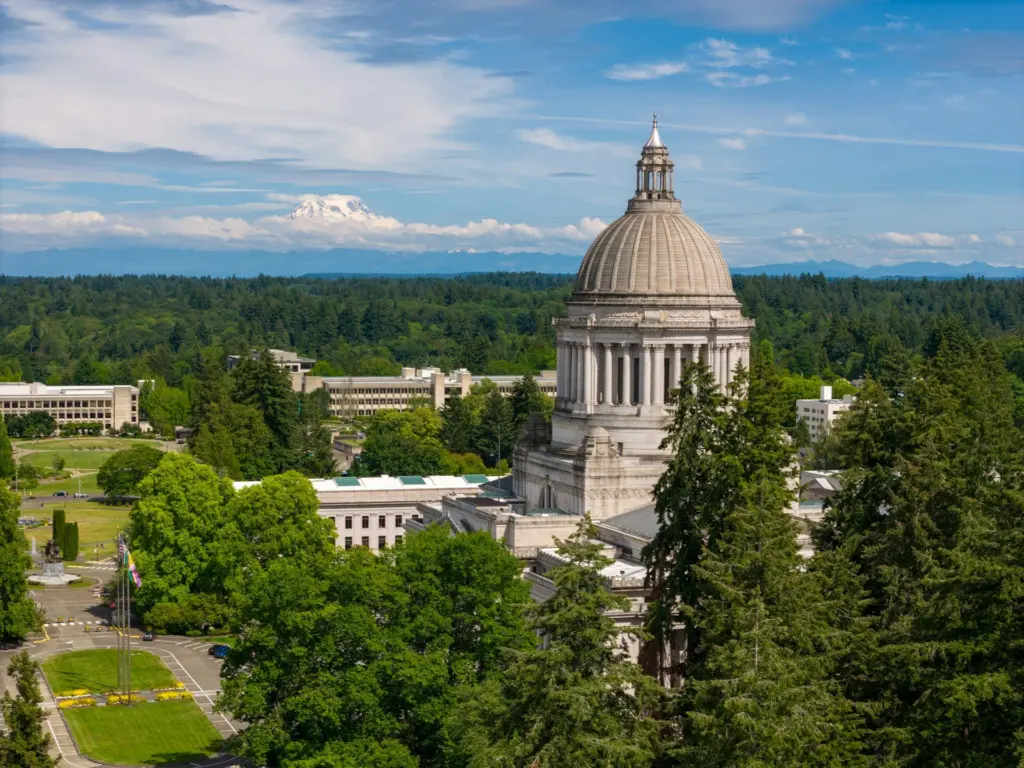
OLYMPIA, WA – Monday, the first day of Washington state’s 2026 60-day legislative session, saw minority-party Republicans working to undo some of the tax hikes passed by majority-party Democrats during last year’s session.
Just nine months ago, the Washington State Legislature passed a $9.4 billion revenue package, which included numerous new and increased taxes and fees for businesses and consumers.
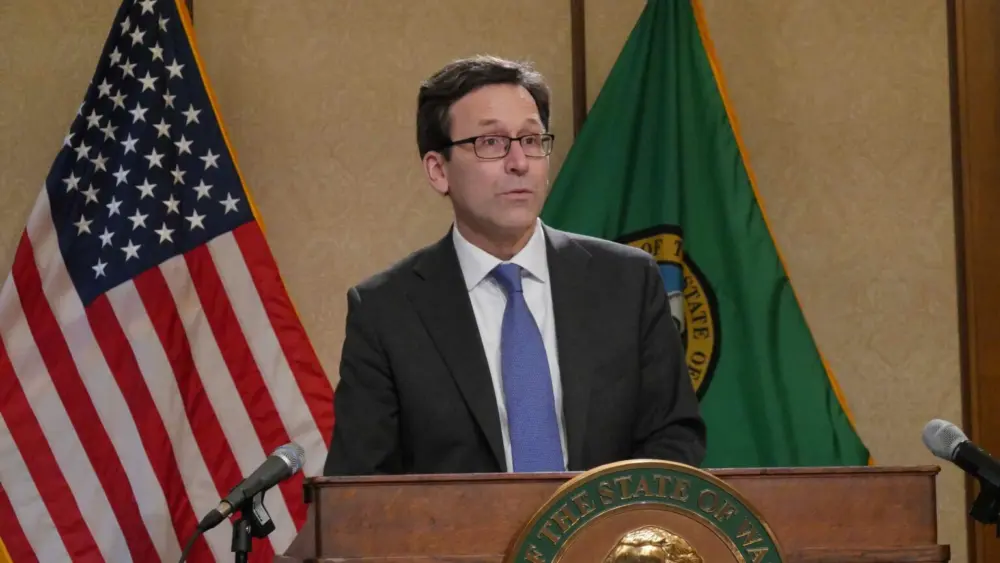
Nevertheless, the state is facing a projected $2.3 billion deficit for the 2025-27 biennium. Gov. Bob Ferguson has proposed a combination of spending cuts, tapping the Budget Stabilization Account, and future tax increases to close this gap.
Rep. Ed Orcutt, R-Kalama, prefiled two tax-repeal bills, House Bill 2130 and House Bill 2335. They are considered longshot bills due to the current legislative balance of power.
HB 2130 would repeal specific new taxes and fees imposed during the prior 2025 legislative session, particularly those related to digital advertising, IT services, and some business and occupation tax increases. HB 2335 would target higher B&O taxes on various industries, a large business surcharge, and an advanced computing surcharge.
“A business tax never stays as a business tax. It eventually gets passed on to the consumer,” Orcutt said from his legislative office on Monday. “It is difficult on businesses in that a lot of times they’ll have contracts that go for six months or a year or longer that they can’t change. So now they have to absorb it. Which means they end up with lower profit margins when they already have very slim profit margins.”
B&O taxes have hit hard, according to the lawmaker.
“That’s added a huge burden to a number of businesses in our state, and some of those include health care,” Orcutt said. “One provider I talked to said they were getting hit really hard by that, and this is at a time when we’re trying to reduce costs to make health care more affordable.”
The advanced computing surcharge rate increased from 1.22% to 7.5% as of Jan. 1.
What is advanced computing?
The definition is broad and includes designing or developing computer software or hardware, cloud computing services, operating as a marketplace facilitator, an online search engine, or an online social networking platform.
Backers of the computing surcharge argue that the revenue is necessary to support the workforce education investment account, which funds higher education programs, particularly computer science and engineering degrees at state universities.
Orcutt says he’s hearing from people about the impacts on business, including those who give live presentations.
“A lot of different organizations and individuals are getting negatively impacted by that, including schools with continuing education,” he explained. “A lot of nonprofits are being negatively impacted.”
The perpetual overspending in Olympia must change, according to Orcutt.
“So last time around, they tried filling a budget gap with tax increases, and we’re still negative,” he observed. “Maybe it’s time to try something different.”
Orcutt has no illusions about his bills’ chances of passing the Legislature.
“It’s going to be very difficult, obviously, but I think those bills need to be out there to have that discussion, and maybe there is a chance we can do something with those,” he explained. “There’s no chance if you don’t introduce a bill, even if the chance is slim when you do.”
Democrats justify proposed 2026 tax increases as a means of addressing the projected budget shortfall, while also aiming to reform the state’s regressive tax structure and provide relief to working families.
Garnering the most attention is Ferguson’s late-2025 proposal for a 9.9% income tax on annual earnings over $1 million, aimed at funding programs like the Working Families Tax Credit. This so-called “millionaire’s tax” faces legal hurdles and opposition from Republicans.
Ferguson has said he is confident the tax will survive legal challenges and is skeptical that it could drive wealthy residents to leave the Evergreen State.
Republicans warn that it serves as a precursor to a universal income tax.
Last month, Rep. Shaun Scott, D-Seattle, proposed creating a “Well Washington Fund” with a 5% payroll tax on large businesses for employee compensation exceeding $125,000 annually, modeled after Seattle’s JumpStart Tax, to fund public services.