OLYMPIA, WA – State lawmakers heard testimony Friday on a proposal to increase Washington’s cigarette tax by 66% while amending a separate vapor tax to 95% of the products’ taxable sales price.
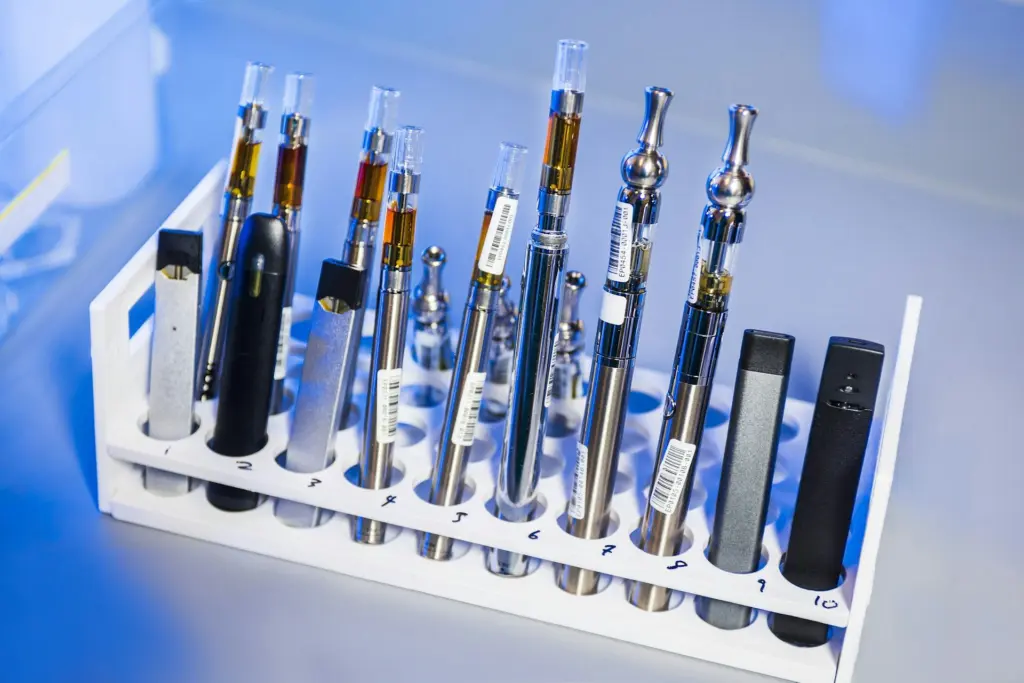
The state already imposes a tobacco products tax, which expanded on Jan. 1 to include nearly all nicotine products except cigarettes and those approved by the U.S. Food and Drug Administration. Another tax on cigarettes adds $3.02 per pack, and a vapor products tax exists based on the volume of liquid sold.
The tobacco tax imposes a 95% fee on most products’ taxable sales price, much like House Bill 2382 proposes for the existing vapor products tax, rather than basing the measure on liquid volume.
HB 2382 would also increase the $3.02 tax on each pack of cigarettes by $2, a roughly 66% increase; all of these excise costs are in addition to any state and local business, litter and sales and use taxes.
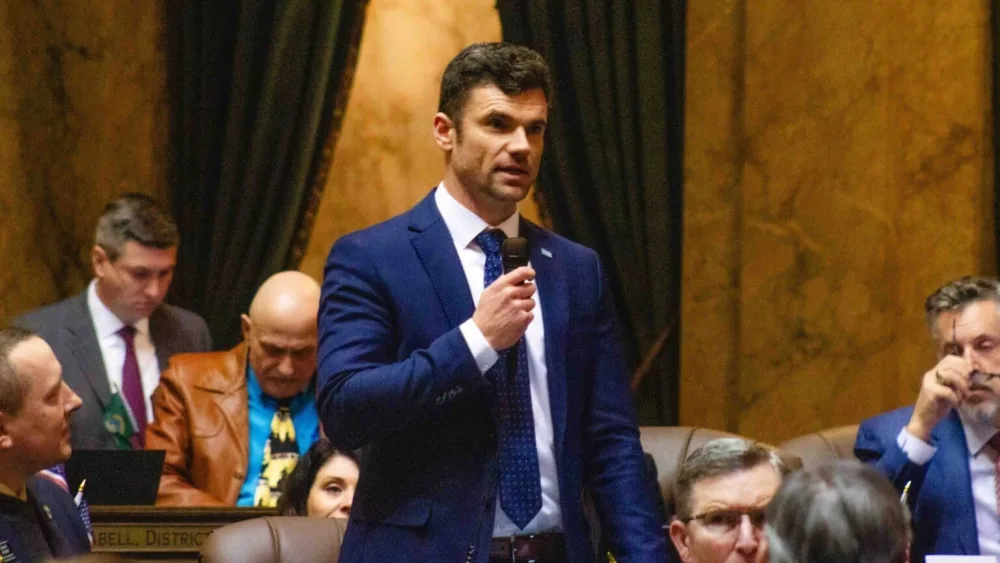
“It has been over 16 years since we increased the [cigarette] tax,” Rep. Lisa Parshley, D-Olympia, told the House Finance Committee, despite major tax hikes impacting other nicotine products as of late, “16 years, and in that time, the state’s health care impact is now estimated to be $3.2 billion a year.”
A fiscal analysis wasn’t available at the time of the hearing on Friday. If approved, HB 2382 will direct the resulting revenue to various accounts to fund public health programs, enforce taxes on cigarettes, tobacco and vapor products, and fill state shortfalls in the general fund, according to a bill analysis.
Parshley framed HB 2382 as a public health response, setting off red flags for Rep. Josh Penner, R-Orting.
The expanded taxes on tobacco products that went into effect on Jan. 1 were due to a bill that lumped all nicotine products, “whether derived from tobacco or created synthetically,” into the tax code. That bill was part of a multi-billion-dollar tax package to help fill a deficit fueled by unsustainable spending.
“The bulk of these revenues that would be collected would go to the general fund. It just seems to me like kind of, paradoxically, we’re trying to keep the general fund alive through a tobacco tax,” Penner said, which Parshley suggested as a short-term plan, arguing her bill could offset federal funding cuts.
The state currently faces a $2.3 billion shortfall, though some estimates place it closer to $4.3 billion.
State law excluded non-FDA-approved tobacco, vapor and nicotine products from the excise taxes until last year. Those products were already subject to sales taxes, but adjusting the definitions in state law generated even more revenue. Critics argue that the taxes encourage cross-state smuggling.
According to the Tax Foundation, Washington state would join New York and Maryland in imposing the highest tobacco taxes nationwide if HB 2382 passes. The organization has published data suggesting that Washington has a 35.44% tobacco smuggling rate, costing the state $152.1 million in revenue.
Idaho’s cigarette tax is only 57 cents per pack, making it easy to move products west into Spokane.
“Taxes are the most effective tool to help people quit and prevent people from becoming addicted,” Audrey Miller Garcia testified on behalf of the American Cancer Society Cancer Action Network.
“With a $2 per pack increase in Washington’s cigarette tax, we could save Washington $350.7 million in long-term health care costs,” she continued. “Most importantly, when we increase these taxes, they must be significant … otherwise the industry can easily absorb these increases.”
According to federal data, tobacco is the leading cause of preventable death nationwide. HB 2328 also caught the support of the American Lung Association, the American Heart Association and other public health organizations, doctors, industry experts and people who had lost family members to smoking.
Sara Stewart, a representative of the Washington Smoke Free Association, testified as “other” on behalf of a collection of vapor product retailers. She argued that this proposal won’t solve the issue at hand.
“We’ve already seen a large decrease in revenue from the vapor tax over the past few years due to tax evasion,” Stewart testified Friday. “Address the idea of looking at putting this at … a reasonable price, so we’re not tripling the amount of a pack of cigarettes, but at a fair, even playing field.”
The Washington Retail Association and the Association of Washington Business testified in opposition.
Both cited concerns about the impact on small businesses and low-income consumers, arguing that tax hikes won’t change behavior but will instead reduce people’s bottom lines. The Washington Food Industry Association cited similar concerns, arguing that the taxes could shift sales across state lines.
More than 300 people, including individuals who did and didn’t testify, signed in to the hearing to state a position on the bill, with 142 in support, 163 against the proposal, and two listing a position as “other.”
“This proposal may be one of the more regressive tools in the toolbox,” AWB Government Affairs Director Max Martin testified. “Also want to flag the broader fiscal context: The legislature just closed a $16 billion budget gap last session, [and] is now facing a multi-billion dollar shortfall. This session, as we work to stabilize the budget, we urge caution with policies that may reduce state revenue.”