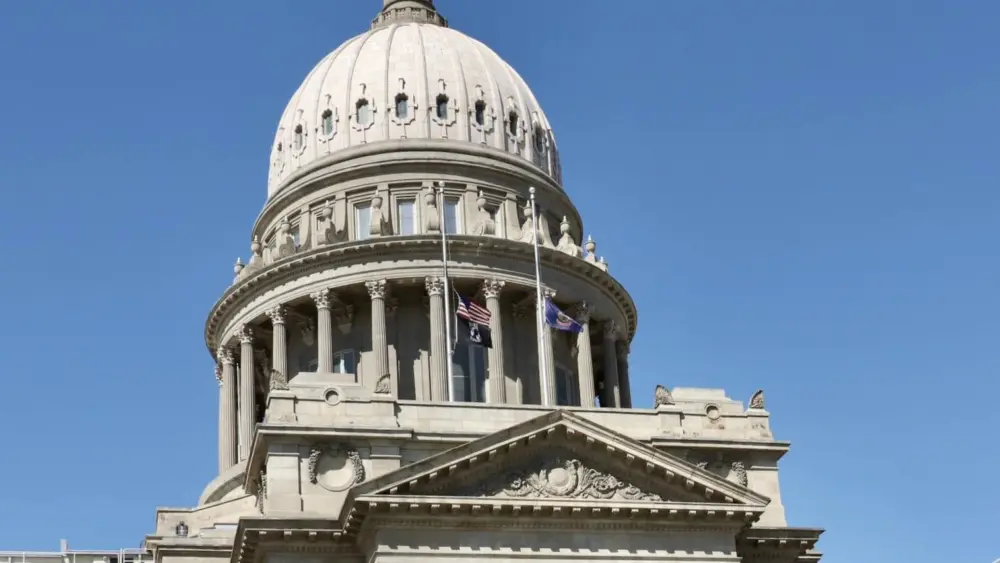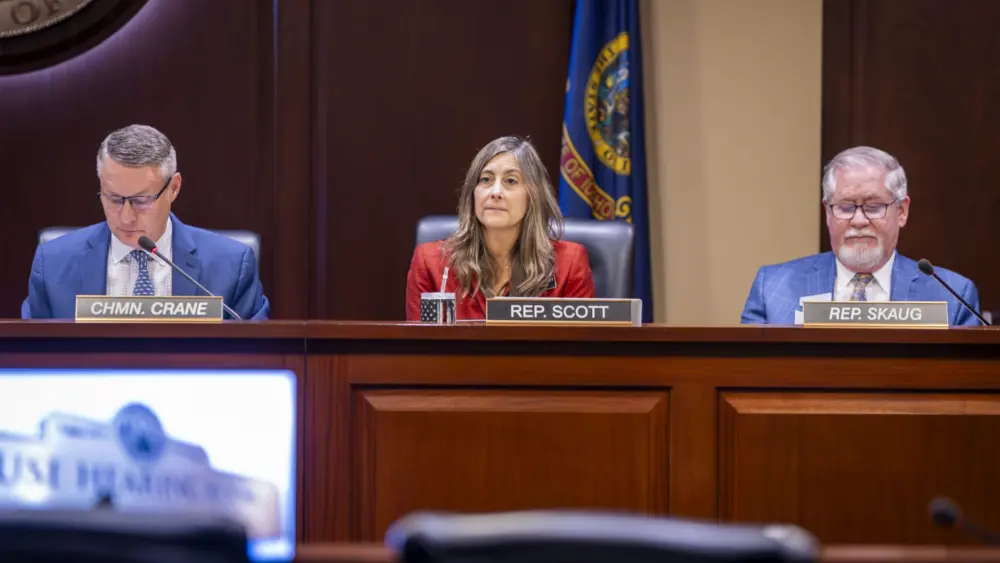
BOISE, ID – The Idaho House of Representatives in a party-line vote Tuesday approved a bill to adopt most of the tax cuts in the federal “One Big Beautiful Bill Act.”
Debate on House Bill 559 lasted about 45 minutes, with Democrats arguing that the hit to the current fiscal year budget would result in harm to important services. Republicans who spoke in favor said the bill provided tax relief to Idahoans.
Bill sponsor Rep. Jeff Ehlers, R-Meridian, estimated that tax conformity would cost $155 million in the current fiscal year, and $175 million next fiscal year. Ehlers said he felt confident in those cost estimates, and also emphasized that it was “not a budget bill.”
“This is a revenue and tax bill, so we’re looking at the impact on revenue of a tax policy,” Ehlers said. “This bill says nothing about any budget whatsoever.”
He said the bill would primarily benefit individual taxpayers with provisions such as deductions for workers’s tips, no taxes on overtime, and an increased standard deduction for seniors. These individual tax write-offs only last until 2028 under the federal bill.
The business incentives, which include a phased approach to fully deducting expenses on research and experimentation, would apply indefinitely.
The Idaho House voted 59-9, with two members absent, to send the bill to the Senate for consideration.
How does this tax bill affect the state budget?
House Bill 559 would apply nearly all the same tax incentives available on federal taxes through the One Big Beautiful Bill Act, approved by Congress in July, to state income taxes. The deductions would apply to 2025 residents’ taxes, which means that the state’s current fiscal year budget will be affected. The state’s fiscal year ends June 30.
Most state agencies have already faced mid-year budget cuts this year. Gov. Brad Little in August issued an executive order directing state agency heads, outside of those for public schools, to cut spending by 3% to respond to a projected budget shortfall, the Idaho Capital Sun reported. Little in September told agencies to make those cuts permanent.
The leaders of the state budget-writing committee have asked agency heads to consider additional 1% and 2% cuts to their current fiscal year budget as well as next year’s. Agency responses on Friday included scenarios such as the Idaho State Police furloughing commissioned troopers, the Idaho Department of Correction furloughing prison staff, programs cut at the state’s public universities, and Medicaid to further reduce services, the Sun reported.
The governor’s budget chief, Lori Wolff, said last week the additional cuts would be “pretty detrimental to agencies’ operations and, likely, services.”
“It’s really late in the year to be doing an additional 2% cut, and it’s likely going to look like either layoffs or furloughs (for many state agencies),” Wolff said.
Opponents say bill could result in harmful cuts to other services
House Minority Leader Ilana Rubel, D-Boise, said the state’s budget situation was too tight and the fiscal impact of the bill too uncertain to consider conforming to all the changes or to not delay them a year, such as what Little proposed in his budget.
She highlighted cuts already made to Medicaid provider rates and the mental health and disability services reductions some participants are facing.
“It has never been clearer that every single thing we do now will result directly in cuts to vital services,” Rubel said.
She likened Ehler’s comment about the conformity bill being “not a budget bill,” to saying “when you drop the bomb, that has nothing to do with it landing on the ground.”
“The two are very inextricably intertwined,” Rubel said.
Rep. John Gannon, D-Boise, questioned the accuracy of the $155 million estimate for the current fiscal year. That estimate, Ehlers said, only includes the impact of the individual provisions.
Gannon argued that, based on analyses of the impact of the federal bill on other state budgets, that the included estimated cost was a “very serious flaw in this bill.”
Supporters say benefits will outweigh costs
Rep. David Cannon, R-Blackfoot, who chairs the House Revenue and Taxation Committee and is a co-sponsor of HB 559, said he supported it because he wanted Idaho to be a place where his grandkids would be incentivized to “dream big.”
House Majority Leader Jason Monks, R-Meridian, who is also a co-sponsor, said the bill primarily helps working-class individuals. He argued that the revenue reduction from income tax cuts would still benefit the state because people would have more to spend and it would return to the state in sales tax revenue.
“I think this is a good bill,” Monks said. “I think it needs to pass. I think we need to move it along and let our accountants do our taxes, so that the state can receive revenues, so that we can all get more money back, and we can spend more money, invest in the economy and generate more revenue.”
This story first appeared on Idaho Capital Sun.