OLYMPIA, WA – The Reason Foundation’s 29th Annual Highway Report ranked Washington state dead last in three categories, suggesting that taxpayers spend far more than they’re getting in return.
The latest edition was released on Thursday, based on 2023 data, the last complete dataset from the Federal Highway Administration. The study examines road and bridge conditions nationwide across 13 categories to identify which states have the best-performing and most cost-effective infrastructure.
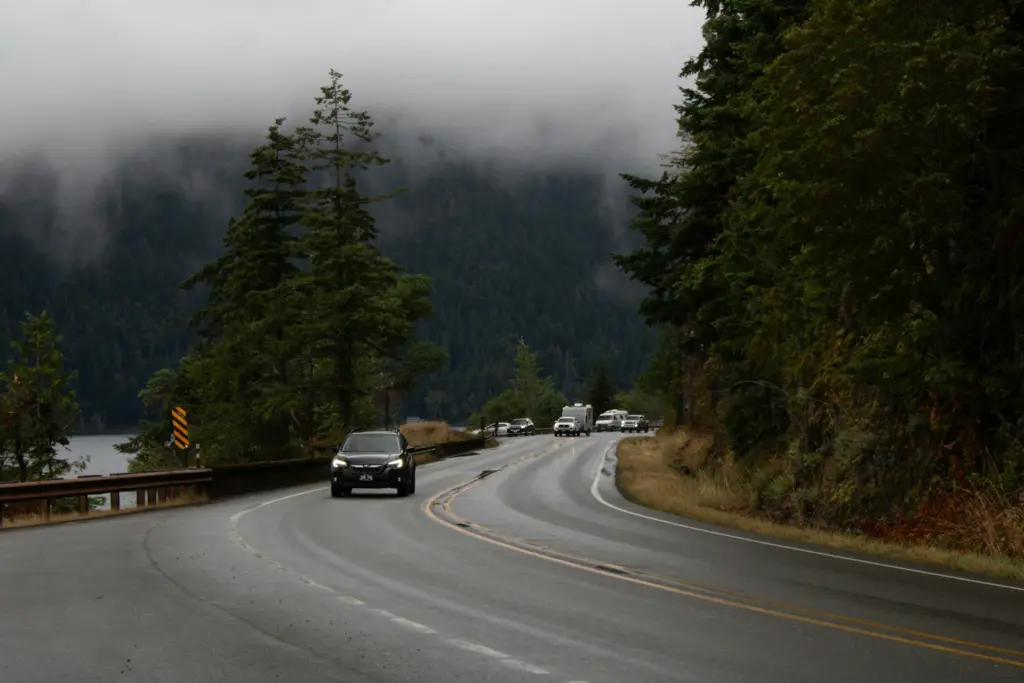
Overall, Washington state ranks 48th, just below New York and above California and Alaska. It sits in the middle of the road in terms of structurally deficient bridges, urban interstate pavement conditions and rural arterial pavement conditions; and last place when it comes to capital and maintenance spending.
“You’re just sort of entering into a maintenance death spiral,” Baruch Feigenbaum, lead author of the study and senior managing director of Reason Foundation, told The Center Square. “At a certain point in time, leadership, political leadership, I think, is going to have to change the way they’re operating.”
Last month, transportation officials warned that 342 state bridges are at least 80 years old, pegging a total replacement cost at $9.2 billion. They also said deferred maintenance and preservation are causing a “downward spiral,” where the state essentially has to play “wack-o-mole” as new emergencies arise.
The study released Thursday says Virginia, Georgia, South Carolina, North Carolina and Ohio have the best system for what taxpayers get in return, while explicitly naming Alaska, California, Washington, New York and Louisiana as states with “the worst-performing and least cost-effective highway systems.”
Reason Foundation determines rankings by comparing state highway budgets to system performance. States with above-average conditions land higher if they’re keeping per-mile costs down for taxpayers.
Feigenbaum said, in Washington state’s case, this is a management and prioritization problem. The top states in his report have nationally recognized tools that allow them to prioritize projects that provide the biggest bang for their buck. He said political actors are guiding some decisions in Washington.
“About five years ago, Washington was actually taken to task by the Federal Highway Administration for having a very poor rationale,” Feigenbaum told The Center Square. “There was just a lot of political involvement in project selection. I think they weren’t really taking into effect the maintenance needs.”
A 2020 state report suggests developing a “project evaluation developmental model,” with stakeholder feedback adding that “safety, preservation and maintenance on existing facilities should be emphasized.”
The three categories holding back Washington: capital and bridge disbursements, maintenance disbursements and “other” disbursements. That first includes the costs of new building infrastructure or widening roads and bridges. The maintenance category is the cost of filling potholes and repaving roads. And the “other” disbursements include funding for police, safety, bonds and interest payments.
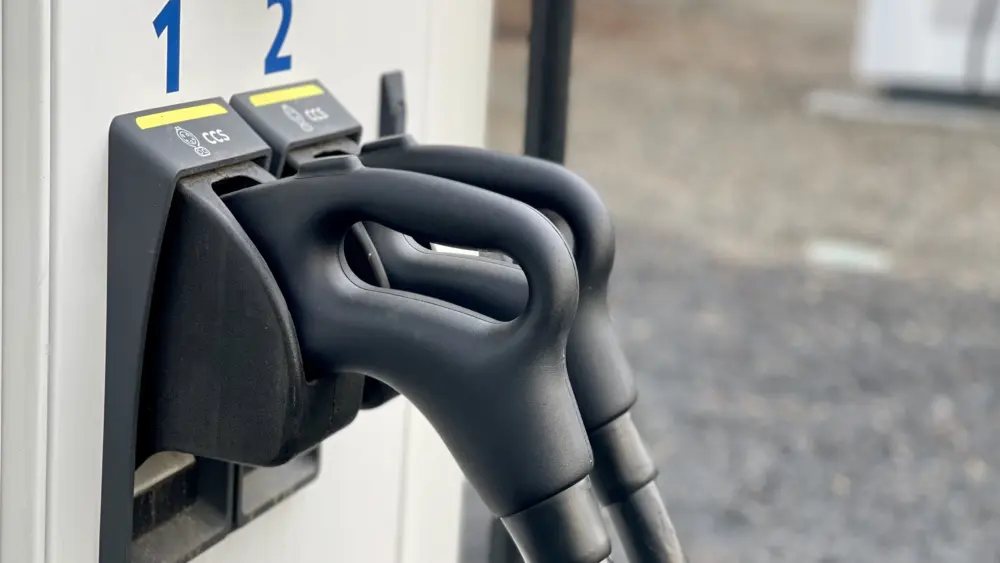
Feigenbaum said the state is diverting money that could be spent on maintenance to projects related to ferry and vehicle electrification, removing fish passage barriers and other climate-related initiatives.
The Climate Commitment Act, the state’s cap-and-trade program, has significantly increased the cost of living and generates money for those projects. However, Democrats have barred that funding from supporting routine highway and bridge work, reserving it for projects that reduce carbon emissions.
Feigenbaum said that prioritizing CCA projects rather than opening up the revenue to fund other work will cost the state more in the long run as the system deteriorates. The Legislature expanded the state transportation budget last week with a bonding agreement to provide “$1.3 billion for road and bridge preservation, $200 million for maintenance work, $28 million for ferry preservation projects, and an additional $100 million for safety-focused preservation,” according to a press release from March 12.
“If they don’t fix the underlying challenges here in terms of how they’re selecting projects, in terms of costs, in terms of management and organization, more spending is not going to fix the problem,” he said. “I would say number one, you need to adopt a quantitative cost-benefit project selection tool.”