WASHINGTON, D.C. — The U.S. Department of Health and Human Services announced Friday that the Food and Drug Administration has finalized changes to a 63-year-old federal standard for pasteurized orange juice, a move officials say will reduce reliance on imported fruit and provide relief to American citrus growers.
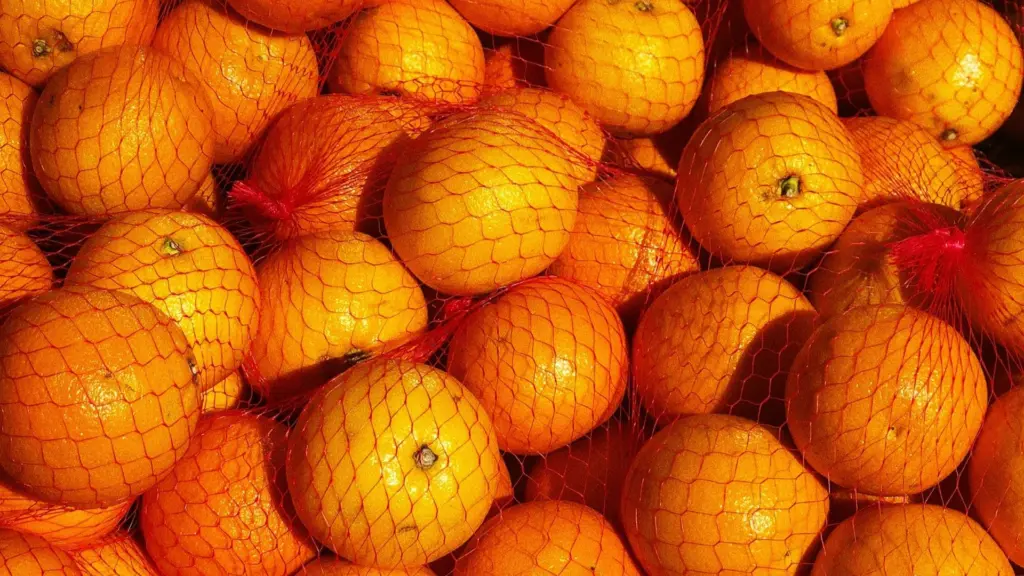
The updated rule lowers the minimum required Brix level — a measurement of dissolved sugar content — from 10.5 degrees to 10 degrees for pasteurized orange juice. The rule also allows juice to contain up to 15% mandarin or tangerine juice, or hybrid citrus juice, by volume. Federal officials said the changes reflect modern growing conditions while maintaining product quality and safety.
HHS Secretary Robert F. Kennedy Jr. announced the change during an event in Lakeland, Florida, alongside Acting FDA Commissioner Kyle Diamantas and several members of Florida’s congressional delegation.
According to HHS, the previous standard was established in 1963. Since then, Florida’s citrus industry has faced significant challenges from citrus greening disease, hurricanes, freezes and other factors that have naturally lowered the sugar content of oranges grown in the state. Officials said the old requirement often forced juice producers to blend in higher-sugar imported oranges to meet federal standards.
The agency estimates the regulatory change will save the orange juice industry more than $50 million annually by reducing the need for imported fruit while helping domestic growers remain competitive.
Florida elected officials and citrus industry representatives praised the rule, calling it a long-awaited update that better reflects current agricultural conditions and supports one of the state’s signature industries.