OLYMPIA, WA – An impending tax in Washington state targeting private jets could be grounded just days before its scheduled takeoff.
The Democratically-controlled Washington Legislature approved the new luxury tax last spring. State Sen. Marko Liias, D-Edmonds, who sponsored the tax, is now in the unusual position of trying to repeal his own prior policy. A separate repeal effort is gaining altitude in the state House.
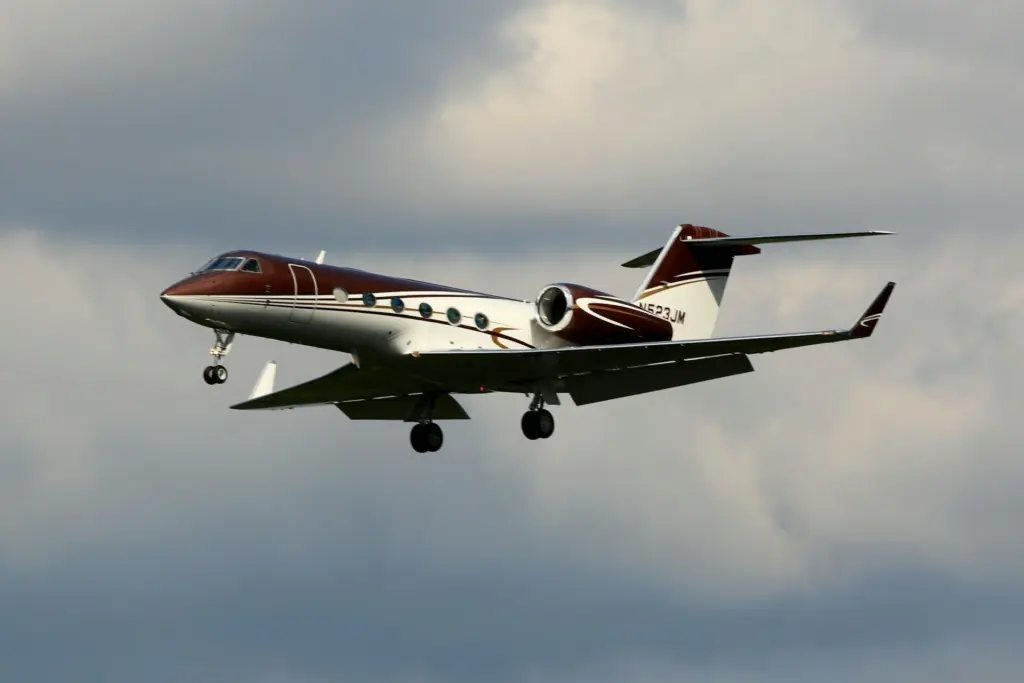
The tax would levy a 10% surtax on the sale, lease or transfer of private aircraft valued at more than $500,000. That threshold covers a range of business planes and helicopters. Commercial airliners and interstate cargo transporters are exempt.
While the policy fits with Democrats’ desires to make millionaires pay more, it generated enough business blowback to force a course correction. Liias explained his change of heart by noting the vigorous opposition to the new tax that emerged, including from tenants at a major airport in his own district, Paine Field.
“We want every part of the transportation system contributing, but we also want to do that in a rational and smart way,” Liias said Monday. “The arguments that the folks made about the unintended consequences were compelling enough to me that we’re switching.”
Because the tax has an effective date of April 1, 2026, the growing momentum in Olympia to repeal it is likely to come right down to the wire. This year’s session is scheduled to end March 12.
The state Department of Revenue estimated the luxury aircraft tax would raise $4 million to $5 million per year. The Legislature directed the anticipated proceeds into a fund that will subsidize green aviation fuel research and production.
Liias proposed to replace some, but not all, of the foregone revenue with a 7 cents per gallon increase in the existing aviation fuel tax and by doubling the annual aircraft registration fee.
In the state House, a longtime aviator is piloting a parallel tax repeal effort.
Rep. Tom Dent, R-Moses Lake, said the House version would fully repeal the luxury aircraft tax without any offsetting increases elsewhere. He said that difference will need to be negotiated with the Senate in the waning days of this year’s legislative session.
“Airplanes are not big boys’ toys,” Dent said in an interview. “They’re tools for agriculture, commerce, industry, firefighting and health care.”
The issue landed close to home for Dent because he used to operate an aerial crop dusting service. Dent said the price of a new cropduster plane easily exceeded the threshold for the new tax. He is also loath to place a higher tax burden on aerial firefighting contractors based in Washington — for example, were one of them to buy a new water scooper plane.
Aircraft owners, associations and related businesses testified in large numbers to the Legislature that they don’t want to become collateral casualties in the drive to soak the rich. They argued the luxury tax would damage an important sector of Washington’s economy. In particular, they noted that private jets can easily move and be re-registered out of state. Jobs would follow the planes to neighboring states, opponents said.
Schweitzer Engineering Laboratories, a Pullman, Washington-based company with 8,000 employees worldwide, testified it has already relocated part of its corporate jet operation across the stateline into Idaho to protect its bottom line.
“We actually moved our aircraft to Lewiston, Idaho, and are building two hangars down there,” Schweitzer’s Adina Bielenberg told the House Transportation Committee. “This tax is destructive. Please rescind the aircraft luxury tax before more businesses and jobs leave our state.”
Airport-based businesses that fuel planes, rent hangar space or perform aircraft maintenance said the mere threat of the upcoming luxury tax put a damper on their firms. They observed that corporate aviation managers were postponing aircraft purchases, furloughing pilots and mechanics, and otherwise reconsidering local investments.
“Corporate flight departments are increasingly hesitant to replace or upgrade aircraft because of the added costs and uncertainty,” said Mike Ennis, a lobbyist for the Washington Airport Management Association. “At the same time, airport operators are struggling to find tenants and aviation-related businesses to fill vacant hangar space.”
This proposed tax repeal fits a pattern of majority Democrats scaling back some elements of the historically-large tax package they passed last year, while also pressing ahead with a new income tax on high earners.
Besides the luxury aircraft tax, other rollbacks gaining favor in Olympia this winter include undoing rate hikes in the estate tax and reversing an expansion of sales taxes on services.
Liias has scheduled the bipartisan Senate version of the aircraft luxury tax repeal for an initial committee vote on Friday. The House version is set for its first vote on Wednesday afternoon. In both cases, the aircraft tax repeal is lumped together with other budgetary and fee adjustments that make the underlying bill practically must-pass legislation.
Washington State Standard is part of States Newsroom, a nonprofit news network supported by grants and a coalition of donors as a 501c(3) public charity. Washington State Standard maintains editorial independence. Contact Editor Bill Lucia for questions: info@washingtonstatestandard.com.