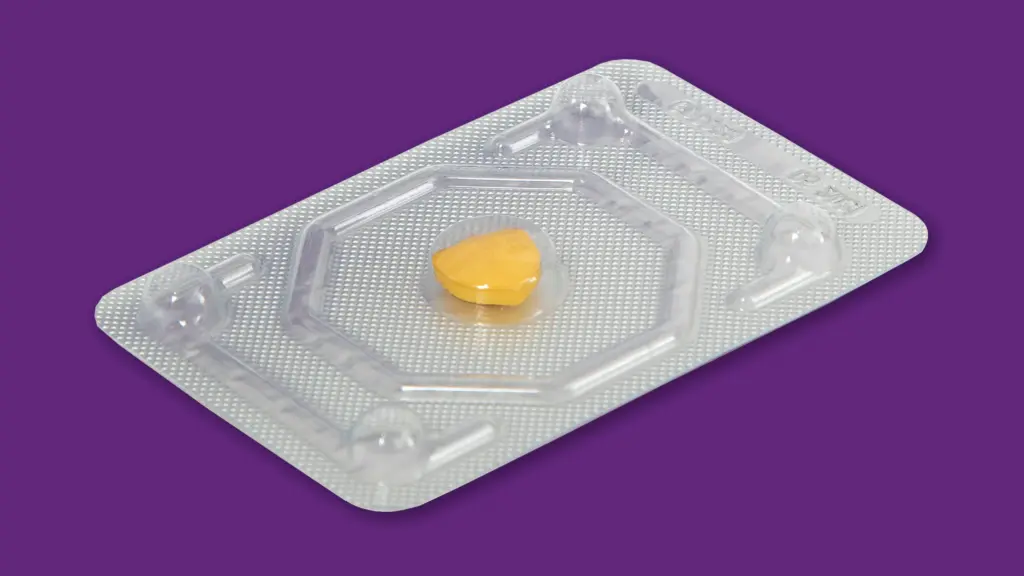
U.S. – Going into the fourth year without federal abortion rights protections, groups that helped overturn Roe v. Wade are focused on cutting off access to abortion pills. As multiple lawsuits over the abortion drug mifepristone unfold, state and federal proposals to regulate and restrict medication abortion are expected to continue in 2026. Abortion opponents argue that medication abortion, despite its strong safety record, is dangerous to patients and the environment.
Abortion bans are largely unpopular, but heading into a midterm election year, some lawmakers in states with strict abortion bans have already prefiled bills to add new restrictions. Here’s a look at early legislative trends emerging in abortion-related bills recently introduced or prefiled ahead of the new year.
Proposals to restrict abortion pill or study environmental effects
Over the last few years, the national anti-abortion group Students for Life of America has spread unfounded claims that mifepristone pollutes U.S. waterways and drinking water, drafted model legislation to regulate the disposal of medication abortions, and requested environmental studies at the federal and state level.
In 2025, lawmakers in at least seven states introduced bills to create environmental restrictions for the abortion drug mifepristone or order environmental studies. Bills introduced this year in Texas, Wisconsin and Wyoming would have required testing community water systems for traces of mifepristone.
Bills in Maine, Montana, Pennsylvania, West Virginia, Wisconsin and Wyoming would have required providers to give patients medical waste kits to collect and return the tissue following a medication abortion. Women commonly flush the tissue associated with medication abortion and miscarriages, which typically occur during the first trimester.
These bills, except Pennsylvania’s, would have also mandated in-person dispensing of the medication and follow-ups, effectively banning telehealth abortion.
None of these proposals passed, but they are likely to be reintroduced in 2026 as abortion opponents continue to push for environmental regulation of abortion pills, including at the federal level.
In June, 25 congressional Republicans sent the U.S. Environmental Protection Agency a letter inquiring about potential avenues for regulating mifepristone, as the New York Times reported. And as Politico recently reported, Students For Life lobbied the agency to add mifepristone to its recently updated list of contaminants that utilities will have to track in drinking water. It’s too late to include a new drug on the list, which is updated every five years.
But according to Politico, EPA staffers advised anti-abortion activists to use an upcoming public comment period to drum up requests that the agency include active metabolites in mifepristone. The EPA collects nationwide data on the chemicals on this list, which could be used to set future federal limits.
Fetal wrongful death bills
In Florida, where abortion is banned at six weeks’ gestation, lawmakers recently advanced HB 289 ahead of the 2026 session, which would allow parents to file wrongful death lawsuits for the loss of a developing fetus and to claim damages for mental pain and loss of support. Its companion bill, SB 164, filed for the third year in a row by Republican Sen. Erin Grall, faces an uphill battle in the Florida Senate, reported the Florida Phoenix, which noted that jurors could be asked to consider the salary the fetus could have earned over its life as part of damages to which parents could be entitled.
Groups opposing the legislation as far-reaching and likely to increase liability exposure for OB-GYNs who specialize in high-risk pregnancies include the American Civil Liberties Union of Florida, the Florida Justice Reform Institute and the Doctors Company, the nation’s largest physician-owned medical malpractice carrier.
One of the bill’s leading champions, Andrew Shirvell, founder and executive director of Florida Voice for the Unborn, told state House Judiciary Committee members they should continue expanding “civil remedies afforded under Florida law to hold accountable those who continue to take the lives of unborn children illegally in our state.”
Another bill, HB 663, would allow a family member to sue someone for providing or attempting to provide an abortion up to two years after the fact with up to $100,000 in damages, even if the woman consented or if the abortion was performed in another state or country where the procedure is legal.
Attempts to overturn or skirt abortion rights ballot measures
Even though Missouri voters in 2024 approved an amendment to protect abortion rights in the state constitution, broad access has not returned to the state. Between January and October, there were only 80 in-clinic abortion procedures in Missouri, according to state data, with an additional 79 abortions in hospitals and identified as medical emergencies.
A trial in January could determine whether Missouri’s anti-abortion laws violate the voter-approved amendment. Meanwhile, Republican lawmakers have put a new constitutional amendment on the 2026 ballot that would ban nearly all abortions in the state with limited exceptions.
In 2023, Ohio voters approved a constitutional amendment protecting abortion rights through fetal viability, and prohibiting the state from interfering with or penalizing someone for exercising that right. But Republicans have been advancing anti-abortion bills to create restrictions that make accessing abortion more difficult without directly flouting the amendment.
During this legislative session, which ends Dec. 31, state Sen. Kyle Koehler introduced SB 309, which could add steps to accessing medication abortion and would require doctors to deliver a state-mandated script about the dangers of mifepristone. It would also allow patients, their parents if they’re underage, or the father of the fetus to sue if they feel the patient was uninformed when taking the pill.
In November, the Ohio House passed HB 485, which would require students in fifth through 12th grade to watch either a “Meet Baby Oliva” fetal development video created by the national anti-abortion group Live Action, or a similar video. Live Action’s video has been criticized by reproductive health advocates for not being fully medically accurate or comprehensive. Similar bills have been introduced in dozens of states this year, and have been enacted in Idaho, Indiana, Iowa, Kansas, North Dakota and Tennessee.
Abortion records privacy
Privacy concerns around reproductive health in the post-Roe era persist nationally. Lawmakers in states that protect abortion rights continue to try to shore up medical and data privacy protections for abortion, which is almost completely illegal in more than a dozen states.
In Indiana, where the legislative session began in December, Sen. La Keisha Jackson introduced SB 109. Under the measure, a health care provider’s report about an abortion submitted to the Indiana health department as a medical record would be confidential and not subject to disclosure as a public record. In a state lawsuit brought by two OB-GYNs from Indianapolis, an appeals court in December upheld the privacy of these records, known as terminated pregnancy reports.
In Washington state, Democratic lawmakers are still drafting legislation that would regulate license plate readers following reports that authorities in Texas searched thousands of cameras, as far as Washington and Illinois, to find a woman they believed had a self-administered medication abortion.
Calling for forced vasectomies for convicted rapists
State abortion restrictions typically hold health providers liable, but women have been jailed or prosecuted for their pregnancy outcomes. One Democratic lawmaker in Alabama, where abortion is banned throughout pregnancy except to save the pregnant person’s life, has introduced legislation that comes with steep penalties for men convicted of rape or incest that resulted in pregnancy.
Democratic Rep. Juandalynn Givan’s prefiled HB 46 would authorize abortion to preserve the health of the mother or if the pregnancy resulted from rape or incest. It would also require men convicted of rape or incest to pay for the abortion, and undergo either vasectomy or castration, as determined by the court. As the Alabama Reflector reported, the bill is unlikely to be considered, but for Givan it’s really about starting a broader conversation of bodily autonomy.
“We have already set a double standard,” Givan said. “Have you seen a bill crafted that tells a man what he cannot … do with his body? You have not, outside of the standard laws that speaks to rape and incest, and we already know that that is definitely a crime.”
Anticipated federal policy decisions during Trump’s second year
In his first year back in office, President Donald Trump rescinded many of the Biden-era policies intended to expand abortion access, including the previous administration’s interpretation that the Emergency Medical Treatment and Labor Act covers abortions necessary to save a pregnant person’s life even in a state that has banned abortion.
More major federal policy decisions around abortion are anticipated in 2026. The Food and Drug Administration agreed to review mifepristone’s safety, but abortion opponents recently called for FDA Commissioner Martin Makary to be fired, accusing him of slow-walking the review until after the midterm elections in November.
Just a few months before that, in July, a controversial Medicaid policy effectively defunding Planned Parenthood clinics and other nonprofit clinics that provide abortions, is slated to expire. Whether Republicans will renew the funding restriction or let it lapse — allowing the nation’s largest network of reproductive health clinics to continue serving Medicaid patients for services unrelated to abortion — remains to be seen.
This story was originally produced by News From The States, which is part of States Newsroom, a nonprofit news network which includes Washington State Standard, and is supported by grants and a coalition of donors as a 501c(3) public charity.
Washington State Standard is part of States Newsroom, a nonprofit news network supported by grants and a coalition of donors as a 501c(3) public charity. Washington State Standard maintains editorial independence. Contact Editor Bill Lucia for questions: info@washingtonstatestandard.com.