OLYMPIA, WA – A major challenge facing the public sector transportation sector’s transition from gasoline to electric is what one local transit manager describes as a “Wild West” environment for the industry, at the cost to taxpayers.
“Vendors are unreliable – they go out of business left and right,” Everett Transit Fleet Program Manager Tony Cademarti told the Electric Vehicle Coordinating Council at its May 20 meeting. “It’s the Wild West. There’s no rules.”
One of the issues Cademarti cited was that when EV companies go bankrupt, local governments are unable to work on EV charging infrastructure due to proprietary software that is owned by the company but not released to anyone.
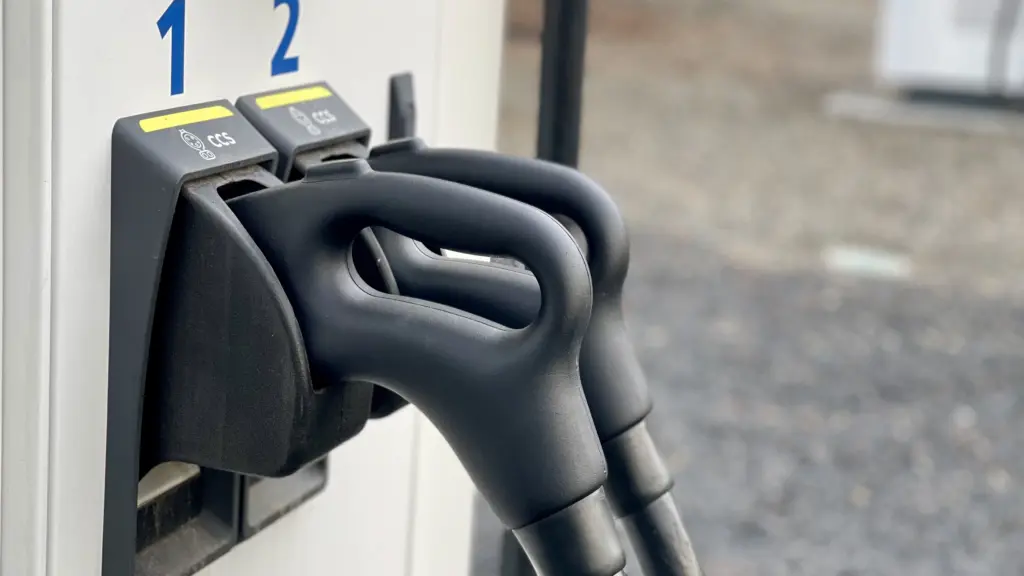
He said Everett spent $700,000 replacing EV charging dispensers, only to have the company that replaced them, Borg Warner, announce it was leaving the industry as well.
“So we’re going to be out of parts and support here in about a year…because of the fact that Borg Warner decided they didn’t feel like being in the charger business anymore,” Cademarti said.
He added that with charging stations that rely on inductive or wireless charging “it’s like if everything lines up perfectly, if the sensor works right, if Venus is in alignment with Andromeda, and all the things line up, and you get that perfectly right over the spot, the charging works – but then it only works for 20 minutes. You can’t use it for (bus) depot. They (manufacturers) don’t tell you can’t use it for depots until you’ve already installed it and spent millions of dollars on equipment and installation.”
“Basically, (it’s) manufacturers’ trying to sell their product and not being truthful. There’s nothing that anyone’s doing to fix that,” he added.
Cademarti also mentioned reliability issues with EV buses compared to their diesel counterparts.
“What it is, is it’s basically a rolling computer with batteries on it and some electric motors. every time a sensors fails or gets a weird signal or doesn’t know what it it doing, it gives you a high voltage warning and the whole bus shuts down,” he said.
“Then you got to tow it back, you got to figure out what happened to it. It’s out of service for a couple of days, that happens routinely. Every couple weeks you lose a bus to something like that. Logistically we don’t have the personnel here to handle all this.”
Separate concerns were raised about EV buses by John Griffith, Transportation Director for Walla Walla Public Schools. He told the council that while the EV school buses they have perform well in cold weather and are appreciated for their quietness, they’ve also faced reliability problems with chargers.
“They’ve tried my patience,” he said.
Additionally, a new state law concerning EV bus purchasing reimbursement has generated concerns around vehicle depreciation.
“That’s going to hurt in 15 years,” he said. “At this point, I would have school districts or anybody that’s getting reimbursed on depreciation to stay away (from EV buses) until something changes at the legislature.”
Commerce’s Clean Transportation Managing Director Steven Hershkowitz responded by saying “I want to thank you for bringing some of these issues to our attention. I think the ‘Wild West’ charging is an accurate term across a lot of different sectors of vehicles. You guys are first movers on this, and they’re going to pave the way for a lot of improvements. I do think these things need to be dealt with.”
“This sounds incredibly frustrating to have to work through,” he added. “That’s exactly…why we want to have these conversations.”