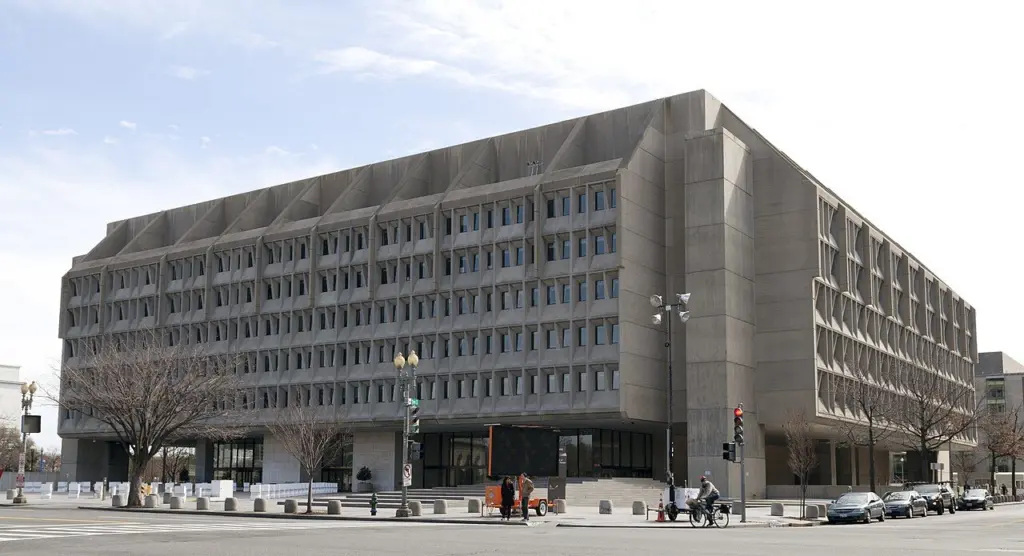
WASHINGTON, D.C. – The U.S. Department of Health and Human Services announced Monday that states and tribes may now use federal child welfare prevention funds to provide certain medications for opioid use disorder to parents whose children are at risk of entering foster care.
The policy change, implemented through the department’s Administration for Children and Families, allows buprenorphine, methadone, and naltrexone to qualify as eligible prevention services under Title IV-E, a federal program that supports children and families involved with the child welfare system. States and tribes can receive a 50 percent federal match for providing the medications to parents when children can remain safely at home or in kinship placements.
According to the agency, the medications were added after being designated as “well-supported” interventions through a newly established fast-track evidence review process that relies on U.S. Food and Drug Administration approval and post-market monitoring. Federal officials said the approach is intended to reduce administrative delays while maintaining safety standards.
The change is part of a broader federal effort to address opioid addiction as a contributing factor in foster care placements. Parental substance use disorder is among the leading reasons children enter foster care nationwide, according to federal child welfare data.
The Administration for Children and Families said the expanded eligibility is intended to help stabilize families and reduce foster care entries by improving access to evidence-based treatment. States, tribes, and territories may access technical assistance and sample program guidance through the agency’s Children’s Bureau and partner organizations.
The policy took effect Feb. 2.